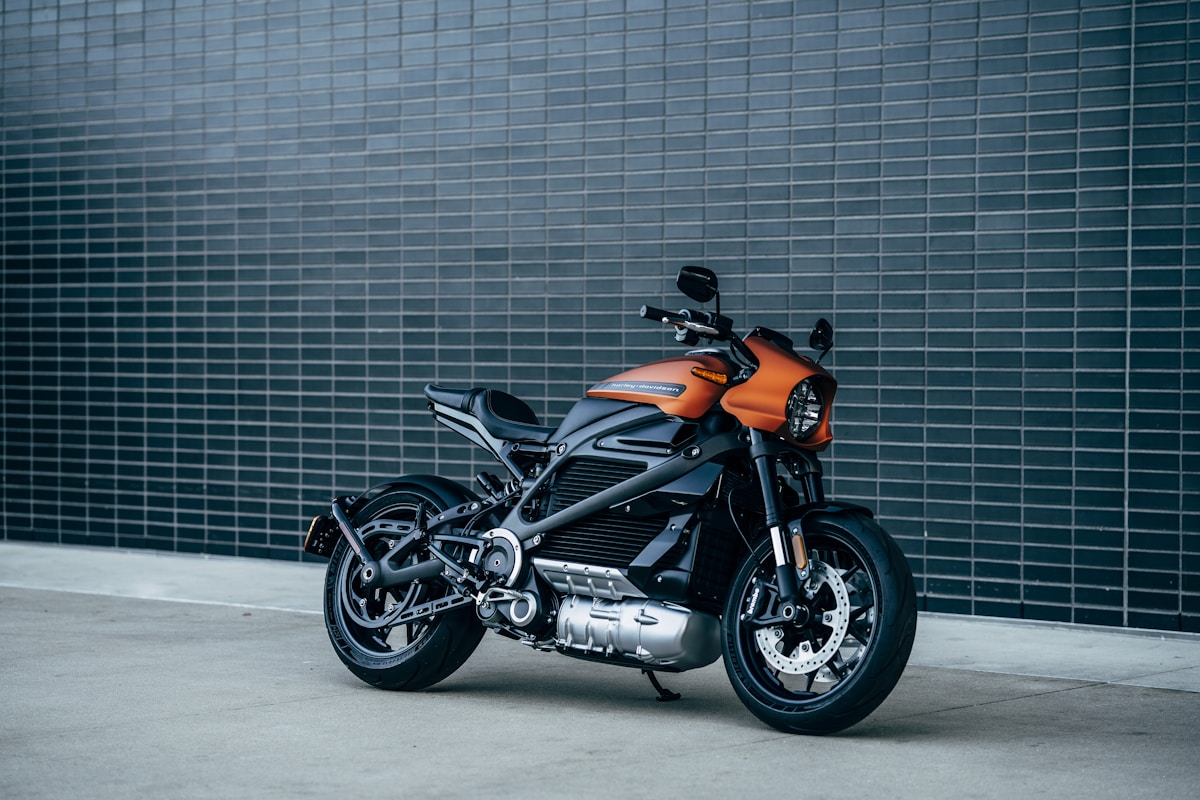
What Does Motorcycle Insurance Cover?
Motorcycle insurance protects more than just your bike, but understanding exactly what it covers helps you avoid dangerous gaps. Many riders assume a basic policy protects them in every situation, only to discover after a crash that their own injuries or custom parts weren’t covered. A motorcycle policy is built from several distinct coverages, and knowing what each one does is the key to riding fully protected.
This guide explains what motorcycle insurance covers, breaking down the core coverages, what each protects, the optional add-ons worth considering, and the important gaps to watch for. Understanding how a motorcycle policy is structured helps you build coverage that truly fits how and what you ride.
How a Motorcycle Policy Is Structured
Like auto insurance, a motorcycle policy isn’t a single coverage but a combination of several, each addressing a different risk. Some protect other people and their property when you’re at fault, while others protect your own bike and your own injuries. You select which coverages to include based on your state’s requirements and your own needs.
At minimum, nearly every state requires liability coverage to ride legally. Beyond that, you can add coverages that protect your motorcycle and yourself. Understanding each piece helps you see exactly what your policy does and doesn’t handle. Our guide to liability vs. full coverage explains how these combine.
The Core Coverages
A motorcycle policy is built around a handful of core coverages. The table below summarizes what each protects.
| Coverage | What It Protects |
|---|---|
| Liability | Injury and damage you cause to others |
| Collision | Your bike after a crash, regardless of fault |
| Comprehensive | Theft, vandalism, fire, weather, animals |
| Uninsured motorist | Damage from underinsured at-fault drivers |
| Medical payments / PIP | Your and your passenger’s injuries |
Liability is the foundation and is required in nearly every state, while the others are typically optional unless a lender requires them. Use our insurance calculator to estimate your coverage needs.
Liability Coverage
Liability coverage is the core of every motorcycle policy and the part nearly every state requires. It covers the injuries and property damage you cause to others in an accident you’re responsible for. It comes in two parts: bodily injury liability, which covers others’ injuries, and property damage liability, which covers damage to their vehicles or property.
Critically, liability coverage does not cover your own injuries or repairs to your own motorcycle. It exists to protect others, and by extension to protect your assets from a lawsuit if you cause an accident. Because motorcycle accidents can cause serious injuries, carrying enough liability coverage to protect your assets is important, often more than the state minimum.
Collision and Comprehensive
To protect your own bike, you add collision and comprehensive coverage. Collision coverage pays to repair or replace your motorcycle if it’s damaged in a crash, regardless of fault, whether you hit a car, a guardrail, a tree, or another object. Without it, you’d pay out of pocket to fix your bike after an at-fault crash.
Comprehensive coverage protects your bike against non-collision events like theft, vandalism, fire, flood, hail, falling objects, and animal strikes. Theft is the most common comprehensive claim for motorcycles. Together, collision and comprehensive are what riders mean by “full coverage.” Lenders typically require both if you finance or lease your bike. Our guide to motorcycle comprehensive coverage covers it in depth.
Coverage for Your Own Injuries
One of the most important and overlooked facts about motorcycle insurance is that liability, collision, and comprehensive don’t cover your own medical bills. To protect yourself, you need medical payments coverage (MedPay) or personal injury protection (PIP), which pay for your and your passenger’s medical expenses after an accident, regardless of fault.
This is a critical gap, since motorcycle accident injuries can be severe and expensive, potentially running into tens or hundreds of thousands of dollars. Some states require PIP, but many don’t, so it’s often up to you to add this protection. For motorcyclists, who are more exposed than car occupants, medical coverage is especially worth considering. Our guide to passenger coverage explains protection for those riding with you.
Protection From Other Drivers
Uninsured and underinsured motorist coverage (UM/UIM) protects you when someone else causes an accident but doesn’t have enough insurance, or any, to cover your losses. Given how many drivers carry only minimal coverage or none at all, this protection can be valuable for riders, who often bear the worst of a collision.
If an uninsured driver hits you and injures you or destroys your bike, UM/UIM steps in to cover what the at-fault driver’s insurance should have. Some states require it, and even where it’s optional, it’s worth strong consideration for motorcyclists, since a serious injury caused by an uninsured driver could otherwise leave you covering enormous costs yourself.
Optional Add-Ons and Gaps to Watch
Beyond the core coverages, motorcycle policies offer add-ons tailored to riding. Accessories and custom parts coverage protects aftermarket upgrades, chrome, saddlebags, and custom work that a standard policy may not fully cover. Optional rider coverage can protect safety gear like helmets and jackets. Roadside assistance and trip interruption coverage help if you’re stranded.
The biggest gaps to watch are your own medical bills (which need MedPay or PIP) and custom parts beyond your policy’s standard limit. Riders are often surprised to learn these aren’t automatically covered. Reviewing your policy with these gaps in mind, and adding coverage where it matters, ensures you’re protected for how you actually ride. Our guide to gear and accessories coverage explores these add-ons.
Frequently Asked Questions
What does motorcycle insurance cover?
Motorcycle insurance covers liability (injury and damage you cause others), and optionally collision (your bike after a crash), comprehensive (theft, vandalism, weather), uninsured motorist, and medical payments or PIP for your own injuries. You combine coverages to fit your needs.
Does motorcycle insurance cover my own injuries?
Not automatically. Liability, collision, and comprehensive don’t cover your medical bills. You need medical payments coverage (MedPay) or personal injury protection (PIP) for your and your passenger’s injuries. This is a critical and commonly overlooked gap for riders.
What does liability coverage cover on a motorcycle?
Liability covers the injuries and property damage you cause to others in an at-fault accident, through bodily injury and property damage liability. It does not cover your own injuries or repairs to your own bike. It’s required in nearly every state.
What’s the difference between collision and comprehensive?
Collision covers damage to your bike from a crash, regardless of fault. Comprehensive covers non-collision events like theft, vandalism, fire, weather, and animal strikes. Together they’re what riders call “full coverage,” and lenders typically require both on financed bikes.
Does motorcycle insurance cover theft?
Yes, if you carry comprehensive coverage. Comprehensive covers theft, which is the most common comprehensive claim for motorcycles, along with vandalism, fire, and weather. Liability-only coverage would not pay if your bike is stolen.
Does motorcycle insurance cover custom parts and accessories?
Standard coverage may only cover custom parts and accessories up to a limited amount. To fully protect aftermarket upgrades, chrome, and custom work, you can add accessories and custom parts coverage. Riders with significant upgrades should consider this add-on.
What is uninsured motorist coverage for motorcycles?
Uninsured/underinsured motorist coverage protects you when another driver causes an accident but lacks enough insurance to cover your losses. It’s valuable for riders, who often bear the worst of a collision, and is required in some states.
Is liability the only coverage I need?
Liability is the minimum most states require, but it only protects others, not you or your bike. Whether you need collision, comprehensive, and medical coverage depends on your bike’s value, whether it’s financed, and your risk tolerance. Many riders need more than liability.
The Bottom Line
Motorcycle insurance is built from several coverages, each protecting against a different risk. Liability, the foundation required in nearly every state, covers injuries and damage you cause to others but not your own bike or injuries. To protect your motorcycle, you add collision (for crashes) and comprehensive (for theft, weather, and more), which together riders call “full coverage.”
The most important gap to understand is that none of these cover your own medical bills, which require medical payments coverage or PIP, critical protection given how severe motorcycle injuries can be. Uninsured motorist coverage adds protection against drivers who lack sufficient insurance, and optional add-ons protect custom parts, gear, and stranded riders.
Building the right policy means looking beyond the state-required minimum to consider how and what you ride. By understanding what each coverage does, and identifying the gaps like medical bills and custom parts, you can assemble protection that truly fits your situation rather than discovering a costly surprise after a crash.
Ready to build the right motorcycle coverage? Visit Matrix Insurance to explore your options. Use our insurance calculator to estimate your needs, or contact our team for personalized guidance on motorcycle insurance coverage.









6 comments