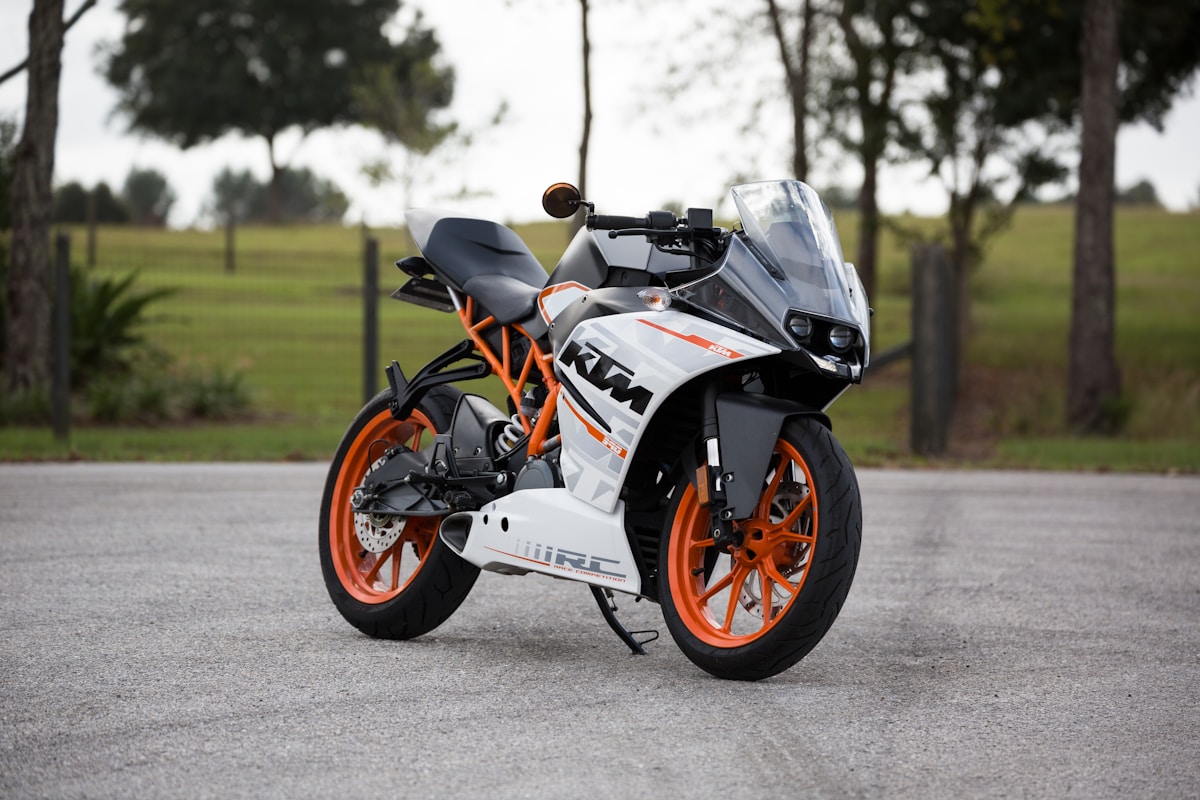
What Is Motorcycle Comprehensive Coverage?
Not every threat to your motorcycle comes from a crash. Theft, vandalism, fire, storms, and even a deer in the road can damage or destroy your bike without any collision at all. Comprehensive coverage is the part of a motorcycle policy built specifically for these non-collision losses, and for many riders it’s the most important protection they carry, given that motorcycles are stolen at far higher rates than cars.
This guide explains what motorcycle comprehensive coverage is, exactly what it covers and doesn’t, how the deductible and payout work, why theft makes it so valuable, and when you need it. Understanding this coverage helps you protect your bike against the many risks that have nothing to do with an accident.
What Comprehensive Coverage Is
Comprehensive coverage, sometimes called “other-than-collision” coverage, is an optional part of a motorcycle policy that pays for damage to your bike from non-collision events. While collision coverage handles crashes, comprehensive handles nearly everything else that could damage or destroy your motorcycle.
It’s optional by law, unlike liability, but it’s often the coverage riders value most for protecting their investment. Together with collision, comprehensive is what makes up “full coverage.” If you want your bike protected against theft, weather, fire, and similar risks, comprehensive is the coverage that does it. Our guide to what motorcycle insurance covers shows how it fits with other coverages.
What It Covers
Comprehensive covers a broad range of non-collision perils. The table below summarizes the main ones.
| Peril | Example |
|---|---|
| Theft | Your bike is stolen and not recovered |
| Vandalism | Keyed paint, slashed seat, broken mirrors |
| Fire | Your bike is damaged by fire or explosion |
| Weather and disasters | Hail, flood, hurricane, lightning |
| Animal strikes | Collision with a deer or other animal |
| Falling objects | A tree branch falls on your parked bike |
If your bike is damaged or destroyed by any of these, comprehensive helps pay to repair or replace it. Use our insurance calculator to estimate your coverage needs.
What It Doesn’t Cover
Riders often confuse what comprehensive covers with what it doesn’t, and that confusion can lead to expensive surprises. Comprehensive does not cover damage from a collision, if you hit another vehicle or an object like a guardrail or tree, that’s collision coverage, not comprehensive.
It also doesn’t cover normal wear and tear, mechanical breakdown, or damage from neglect, since insurance covers sudden, accidental events, not maintenance. And like other physical-damage coverages, it doesn’t cover your own injuries, which need medical payments coverage or PIP. Understanding this line between comprehensive and collision helps you make sure you carry both if you want your bike fully protected. Note that an animal strike is comprehensive, but swerving and hitting a tree to avoid the animal would be collision.
How the Deductible and Payout Work
Comprehensive coverage comes with a deductible, the amount you pay out of pocket before coverage kicks in. Deductibles typically range from $250 to $2,000, and your choice directly affects your premium: a higher deductible lowers your premium but means paying more yourself when you file a claim.
When you have a covered loss, the insurer pays up to your motorcycle’s actual cash value (its current, depreciated market value), minus your deductible. For example, if your bike is worth $5,000 and you have a $500 deductible, comprehensive would pay up to $4,500 for a total loss. Because the payout is based on actual cash value, not what you originally paid, depreciation reduces what you receive over time.
Why Theft Makes It So Valuable
Theft is the single biggest reason comprehensive coverage matters for motorcycles. According to the National Insurance Crime Bureau, motorcycles are stolen at a much higher rate than cars, with sport bikes among the most targeted. A bike parked in your own driveway faces real risk.
If your motorcycle is stolen and not recovered, comprehensive coverage pays its actual cash value minus your deductible, so an $8,000 bike with a $500 deductible would net you $7,500 to replace it. Without comprehensive, you’d absorb the entire loss yourself. Insurers typically wait around 30 days after a theft to see if police recover the bike before issuing payment, so theft claims take some time to resolve.
A Note on Custom Parts
A common and costly misunderstanding is assuming that if your motorcycle is covered, every custom part and accessory attached to it is automatically fully covered too. That’s not always true. Many riders invest heavily in aftermarket upgrades, custom paint, exhaust systems, chrome, saddlebags, and electronics.
Standard comprehensive coverage may only cover custom parts and accessories up to a limited amount, leaving expensive upgrades underprotected if they’re stolen or damaged. To fully protect them, you typically need to add accessories and custom parts coverage. If you’ve put real money into customizing your bike, confirming how much of that work your comprehensive coverage actually protects is important. Our guide to gear and accessories coverage explains this.
When You Need Comprehensive Coverage
Comprehensive makes the most sense in several situations. If you finance or lease your motorcycle, your lender will require it. If your bike is newer or valuable, or you couldn’t afford to replace it from savings, comprehensive protects that investment against theft and other losses.
It’s also especially worth carrying if you live in an area with high motorcycle theft, lack secure indoor storage, or live somewhere prone to severe weather. For an older, low-value bike you could easily replace, comprehensive may be less essential, since the premium and deductible could approach the bike’s worth. As with collision, the key question is whether you could comfortably absorb the loss of your bike to theft or weather yourself.
Frequently Asked Questions
What is motorcycle comprehensive coverage?
Comprehensive coverage, or “other-than-collision” coverage, is an optional part of a motorcycle policy that pays for non-collision damage to your bike, including theft, vandalism, fire, weather, falling objects, and animal strikes. It pays the bike’s actual cash value minus your deductible.
What does comprehensive coverage cover?
It covers theft, vandalism, fire and explosion, weather and natural disasters (hail, flood, hurricane, lightning), falling objects, and collisions with animals. It does not cover crashes with vehicles or objects, normal wear and tear, or your own injuries.
Does comprehensive cover motorcycle theft?
Yes. If your motorcycle is stolen and not recovered, comprehensive pays its actual cash value minus your deductible. Theft is the most common comprehensive claim, since motorcycles are stolen at a much higher rate than cars. Insurers often wait about 30 days for recovery first.
What doesn’t comprehensive coverage cover?
It doesn’t cover damage from a collision with a vehicle or object (that’s collision coverage), normal wear and tear, mechanical breakdown, neglect, or your own injuries. If you swerve to avoid an animal and hit a tree, that’s collision, not comprehensive.
How does the comprehensive deductible work?
You pay the deductible out of pocket before coverage applies. Deductibles typically range from $250 to $2,000. A higher deductible lowers your premium but means paying more yourself per claim. The insurer pays the bike’s actual cash value minus your deductible for a covered loss.
How much does comprehensive coverage pay if my bike is totaled?
It pays your motorcycle’s actual cash value, its current depreciated market value, minus your deductible. So if your bike is worth $5,000 and your deductible is $500, you’d receive up to $4,500. The payout reflects depreciation, not what you originally paid.
Is comprehensive coverage required?
No, comprehensive isn’t required by law. However, if you finance or lease your motorcycle, your lender will require it (along with collision) until the loan is paid off. Even when optional, it’s valuable for protecting your bike against theft and other losses.
Are my custom parts covered by comprehensive?
Not always fully. Standard comprehensive may only cover custom parts and accessories up to a limited amount. To fully protect aftermarket upgrades, custom paint, and accessories, you typically need to add accessories and custom parts coverage to your policy.
The Bottom Line
Comprehensive coverage protects your motorcycle from the many losses that don’t involve a crash: theft, vandalism, fire, weather, falling objects, and animal strikes. It pays your bike’s actual cash value minus your deductible, and while it’s optional by law, it’s often the coverage riders value most, especially given how frequently motorcycles are stolen.
Understanding the line between comprehensive and collision is key: comprehensive handles non-collision events, while collision handles crashes. Together they form “full coverage.” The deductible you choose affects both your premium and your out-of-pocket cost, and the payout reflects your bike’s depreciated value rather than its original price.
Comprehensive makes the most sense for financed, newer, or valuable bikes, and for riders in high-theft or severe-weather areas. Just remember that custom parts may need separate coverage to be fully protected. For most riders with meaningful investment in their motorcycle, comprehensive coverage delivers genuine peace of mind against threats that have nothing to do with how you ride.
Ready to protect your bike against theft and more? Visit Matrix Insurance to explore your options. Use our insurance calculator to estimate your needs, or contact our team for personalized guidance on motorcycle comprehensive coverage.










2 comments