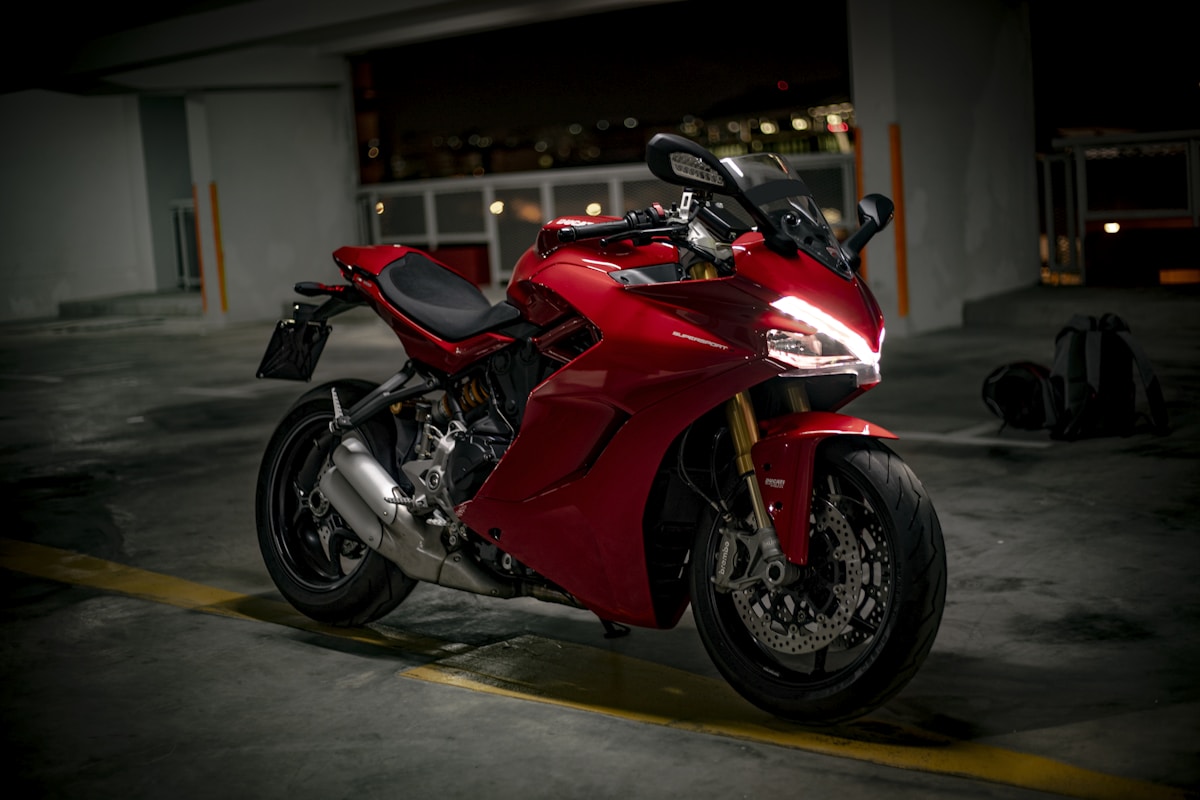
Liability vs. Full Coverage Motorcycle Insurance
When you shop for motorcycle insurance, the biggest decision you’ll face is how much coverage to carry: just the liability your state requires, or “full coverage” that also protects your own bike. This choice affects both your premium and how much you’d pay out of pocket after an accident or theft. Choosing wrong in either direction means either overpaying or facing a costly gap when something happens.
This guide explains the difference between liability-only and full coverage motorcycle insurance, what each includes, how they compare on cost and protection, and how to decide which fits your situation. Understanding this trade-off helps you pick coverage that matches your bike’s value and your budget.
The Core Difference
The difference comes down to what’s protected. Liability-only coverage protects other people and their property when you cause an accident, but nothing of yours. Full coverage adds collision and comprehensive coverage, which protect your own motorcycle from damage, theft, and other losses.
It’s worth noting that “full coverage” isn’t an official policy type; it’s a term riders use for a policy that combines liability with collision and comprehensive. And despite the name, it doesn’t cover everything, your own medical bills still require separate coverage. Our guide to what motorcycle insurance covers explains the full set of coverages.
What Liability-Only Covers
Liability-only insurance is the minimum coverage required to ride legally in nearly every state. It pays for the injuries and property damage you cause to others in an at-fault accident, through bodily injury liability and property damage liability. This protects others and shields your assets from a lawsuit if you’re responsible for a crash.
What it doesn’t cover is just as important: liability-only pays nothing toward repairing or replacing your own motorcycle, and nothing toward your own injuries. If you crash your bike or it’s stolen, you’re entirely on your own financially. Liability-only is the cheapest option, but it leaves your bike completely unprotected.
What Full Coverage Adds
Full coverage builds on liability by adding two coverages that protect your motorcycle. Collision coverage pays to repair or replace your bike if it’s damaged in a crash, regardless of who’s at fault. Comprehensive coverage protects your bike against non-collision losses like theft, vandalism, fire, weather, and animal strikes.
Together, these mean that if you wreck your bike, it’s stolen, or it’s damaged by a storm, your insurer helps cover the cost rather than leaving you to pay out of pocket. This is the protection liability-only lacks entirely. Our guide to comprehensive coverage explains that piece in detail. Use our insurance calculator to estimate costs.
Side-by-Side Comparison
The table below shows what each option includes.
| Coverage | Liability-Only | Full Coverage |
|---|---|---|
| Others’ injuries and property | Yes | Yes |
| Your bike (crash) | No | Yes |
| Your bike (theft, weather) | No | Yes |
| Cost | Lower | Higher |
Neither option automatically covers your own medical bills, which require medical payments coverage or PIP added separately to either policy.
How They Compare on Cost
Liability-only is significantly cheaper than full coverage, since it protects only others, not your bike. Adding collision and comprehensive raises your premium, and those coverages also come with deductibles you’d pay before coverage kicks in. The cost difference is the main appeal of liability-only.
However, the savings come with risk. With liability-only, you’re self-insuring your bike, meaning you accept the full cost of repairing or replacing it after a crash or theft. The right question isn’t simply which is cheaper, but whether the premium savings of liability-only are worth taking on that risk yourself, which depends heavily on your bike’s value.
When Liability-Only Makes Sense
Liability-only can be a reasonable choice in specific situations. If your motorcycle is older and worth relatively little, perhaps a few thousand dollars or less, the cost of collision and comprehensive, plus their deductibles, may exceed what you’d recover, making full coverage poor value.
It can also make sense if your bike is paid off (so no lender requires full coverage) and you could comfortably afford to repair or replace it from savings. In these cases, carrying only liability and self-insuring the bike is a defensible decision. The key is being honest about whether you could truly absorb the loss of your motorcycle without financial strain.
When Full Coverage Makes Sense
Full coverage makes sense in several common situations. If you finance or lease your motorcycle, the lender will almost certainly require collision and comprehensive coverage to protect the bike until it’s paid off. This isn’t optional; it’s a condition of the loan.
Full coverage is also wise if your bike is newer or valuable, or if you couldn’t comfortably afford to repair or replace it out of pocket. Given that theft is a common motorcycle claim and crashes can total a bike, the protection often justifies the higher premium for riders with meaningful investment in their machine. If losing your bike would be a serious financial blow, full coverage is worth strong consideration.
Frequently Asked Questions
What’s the difference between liability and full coverage motorcycle insurance?
Liability-only covers injuries and damage you cause to others, but nothing of yours. Full coverage adds collision and comprehensive, which protect your own bike from crashes, theft, and other losses. Full coverage costs more but protects your motorcycle.
What does liability-only motorcycle insurance cover?
Liability-only covers the injuries and property damage you cause to others in an at-fault accident. It does not cover repairs to your own bike, your own injuries, or theft. It’s the minimum required to ride legally in nearly every state and the cheapest option.
What does full coverage motorcycle insurance include?
Full coverage combines liability with collision (your bike after a crash) and comprehensive (theft, vandalism, fire, weather, animals). Despite the name, it doesn’t cover everything; your own medical bills still require separate medical payments coverage or PIP.
Is full coverage motorcycle insurance worth it?
It depends on your bike. Full coverage is worth it if your motorcycle is newer or valuable, financed or leased, or if you couldn’t afford to replace it from savings. For an older, low-value bike you could replace yourself, liability-only may be more economical.
When should I choose liability-only?
Liability-only can make sense if your bike is older and worth relatively little, is paid off, and you could comfortably afford to repair or replace it from savings. In that case, the cost of collision and comprehensive may exceed their value to you.
Does full coverage cover my own injuries?
No. Despite the name, full coverage (liability, collision, and comprehensive) doesn’t cover your own medical bills. You need to add medical payments coverage (MedPay) or personal injury protection (PIP) separately to cover your and your passenger’s injuries.
Does my lender require full coverage?
If you finance or lease your motorcycle, your lender will almost certainly require collision and comprehensive coverage to protect the bike until it’s paid off. This is a condition of the loan, not optional, so financed bikes effectively require full coverage.
Is liability-only enough for a motorcycle?
It’s enough to ride legally in most states and to protect others, but it leaves your bike and your injuries unprotected. Whether it’s “enough” depends on your bike’s value, whether it’s financed, and whether you could afford to replace it yourself after a loss.
The Bottom Line
The choice between liability-only and full coverage motorcycle insurance comes down to what you want to protect. Liability-only covers the injuries and damage you cause others and is the cheaper, state-required minimum, but it leaves your own bike completely unprotected against crashes, theft, and other losses.
Full coverage adds collision and comprehensive, protecting your motorcycle from damage and theft at a higher premium. Remember that “full coverage” is just a term for this combination, and even it doesn’t cover your own medical bills, which require separate medical payments coverage or PIP on either policy.
The right choice depends on your bike’s value and your finances. Liability-only can make sense for an older, paid-off, low-value bike you could replace yourself, while full coverage is wise, and often required, for newer, valuable, or financed motorcycles. The key question is whether you could comfortably absorb the loss of your bike on your own. If not, full coverage is worth the cost.
Ready to choose the right level of motorcycle coverage? Visit Matrix Insurance to explore your options. Use our insurance calculator to estimate your needs, or contact our team for personalized guidance on liability vs. full coverage.











Post Comment
You must be logged in to post a comment.