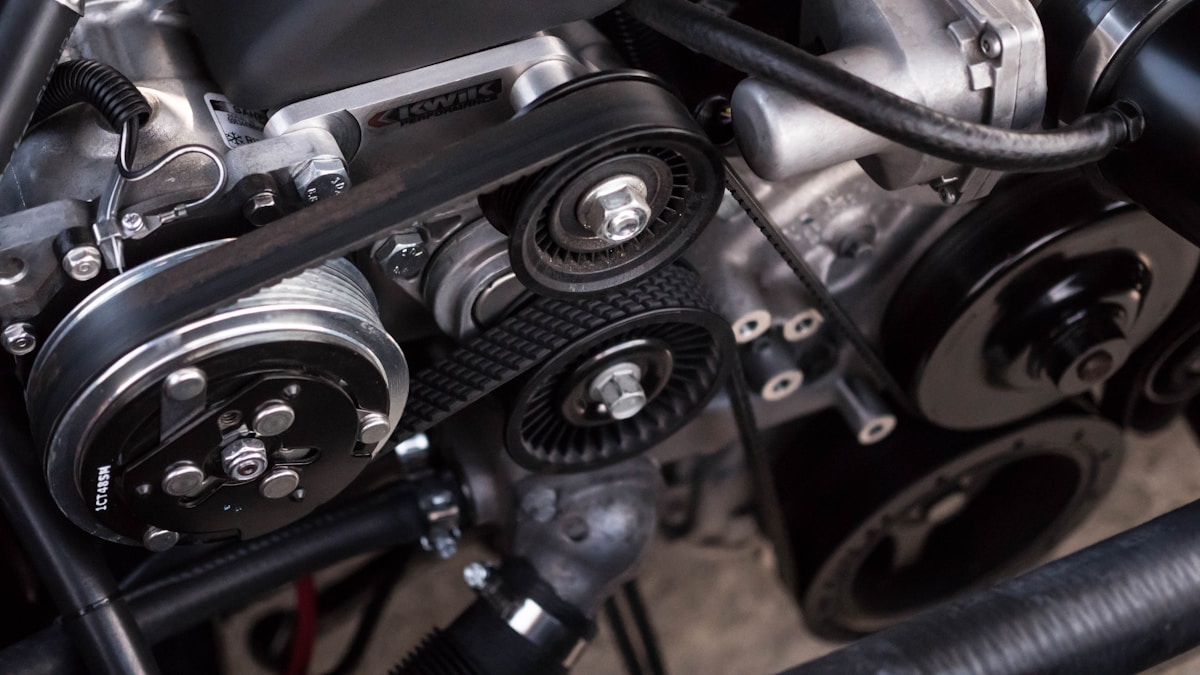
Does Car Insurance Cover a Blown Engine?
Your engine seizes, the repair estimate runs into the thousands, and you file a claim assuming your car insurance will help, only to be denied. It’s one of the most common and frustrating surprises in auto insurance, because a blown engine from normal wear and tear isn’t what car insurance is built to cover. Understanding the line between what your policy pays for and what it never will can save you from a denied claim and help you decide whether the coverage that does protect engines is worth buying.
This guide explains when car insurance covers a blown engine and when it doesn’t, the covered-event exceptions, how mechanical breakdown insurance fills the gap, what it costs and who qualifies, and the alternatives like extended warranties. The core principle mirrors home insurance: policies cover sudden accidents, not the inevitable breakdowns of aging machinery.
The Short Answer: Usually Not
Standard car insurance, even so-called “full coverage” with liability, collision, and comprehensive, does not cover a blown engine caused by mechanical failure, wear and tear, age, or poor maintenance. If your engine simply dies because it wore out, overheated, or wasn’t maintained, your insurer will deny the claim, and you’ll pay for repairs out of pocket.
The reasoning is the same logic that runs through all insurance: it’s designed for sudden, unexpected accidents, not predictable mechanical deterioration. Engines wear out, that’s expected, so covering it would be like insurance paying for an oil change. If insurers covered guaranteed wear-and-tear failures, premiums would rise dramatically to fund those payouts. So a blown engine is treated as a maintenance and repair expense, not an insurable loss, unless a specific covered event caused it. Use our car insurance calculator to think through your coverage.
When Car Insurance Does Cover Engine Damage
There’s an important exception: if your engine is damaged by a covered peril rather than by wear, your standard policy can pay. The table below shows which coverage applies to which cause.
| Cause of Engine Damage | Which Coverage Applies |
|---|---|
| Damaged in a collision | Collision coverage |
| Flood or water damage | Comprehensive coverage |
| Fire | Comprehensive coverage |
| Theft or vandalism | Comprehensive coverage |
| Wear, age, or poor maintenance | Not covered (needs MBI or warranty) |
So if your engine is destroyed when you crash, collision coverage applies; if floodwater ruins it or a fire damages it, comprehensive applies, each minus your deductible. If the repair cost exceeds a large enough share of the car’s value, the insurer may declare it a total loss and pay the actual cash value instead. The dividing line is always cause: a covered event triggers coverage, while mechanical failure does not.
The Causation Question
One tricky area is timing. If your engine fails instantly during a collision, the connection is clear and collision coverage applies. But if your car runs fine after an accident and the engine fails days or weeks later, insurers will investigate whether the crash actually caused the failure or whether it was coincidental wear.
In these cases, the burden often falls on you to establish the link, sometimes requiring a mechanic’s assessment connecting the impact to the later failure. This matters because insurers reasonably scrutinize delayed-failure claims to avoid paying for wear-and-tear breakdowns dressed up as accident damage. The practical lesson: if an accident damages your engine, document everything immediately and have the damage assessed right away, rather than waiting for a problem to surface later when proving causation becomes much harder.
Mechanical Breakdown Insurance: The Coverage Built for This
The coverage that actually protects against a blown engine from mechanical failure is mechanical breakdown insurance (MBI). Offered by some auto insurers as an add-on, MBI helps pay for repairs to major vehicle components, the engine, transmission, drivetrain, electrical systems, air conditioning, and onboard technology, when they fail from internal mechanical or electrical problems rather than an accident.
In effect, MBI covers exactly the gap standard insurance leaves: sudden mechanical failures of expensive components. A failed transmission, an engine timing failure, or a malfunctioning fuel pump from normal use are the kinds of repairs MBI handles but standard auto insurance won’t. It functions a bit like an extended warranty sold through your insurer, with claims typically handled through approved repair shops. If protecting against a catastrophic repair bill matters to you, MBI is the standard answer, and it works alongside your regular coverage, comprehensive and collision still handle accidents and perils, while MBI handles breakdowns.
What MBI Costs and Who Qualifies
Mechanical breakdown insurance is relatively inexpensive, often around $100 per year, though the price depends on your vehicle and rating factors. It carries its own deductible, commonly in the $100 to $500 range, which is separate from your comprehensive and collision deductibles: if your engine fails mechanically, you pay the MBI deductible; if it floods, you pay the comprehensive deductible.
The biggest limitation is eligibility. MBI is generally available only for newer, lower-mileage vehicles, many insurers require a car to be less than about 15 months old with under roughly 15,000 miles when you first buy it, with renewals often allowed up to around seven years or 100,000 miles, whichever comes first. Vehicles may need to pass an inspection confirming no pre-existing problems. Not every insurer offers MBI, so you may need to shop around. And it’s important to know what MBI excludes: routine maintenance (oil changes, fluid flushes), normal wear items (tires, brake pads, belts, wipers), and anything that isn’t a covered mechanical component. MBI covers sudden major-component failure, not upkeep.
Alternatives: Warranties and Service Contracts
If MBI isn’t available for your vehicle, or you’d prefer another route, a few alternatives cover mechanical failures. A manufacturer’s warranty covers defects in materials and workmanship on newer cars, though it doesn’t cover wear-and-tear or maintenance, and it expires after a set time or mileage. An extended warranty or vehicle service contract, sold by dealerships and third-party providers, extends similar repair coverage beyond the factory warranty and functions much like MBI.
Each option has trade-offs worth weighing. MBI through an insurer is often cheaper than dealer-sold extended warranties and can be more convenient to manage, but it’s restricted to newer cars. Extended service contracts are more widely available, including for older or higher-mileage vehicles, but vary enormously in price, coverage, and reliability, so read the contract’s exclusions and provider reputation carefully. Whichever you choose, the goal is the same: covering the catastrophic repair bills that standard auto insurance deliberately excludes. This mirrors the choice homeowners face between insurance and a home warranty, as we explain in our guide on home warranty vs. home insurance.
What to Do If Your Engine Blows
If your engine fails, start by identifying the cause, because it determines everything. If a recent covered event (a collision, flood, or fire) caused the damage, file a claim under the appropriate coverage promptly and document the connection. If it’s a mechanical failure and you carry MBI or a warranty, file under that coverage instead. If it’s wear-and-tear with no applicable coverage, you’re generally looking at out-of-pocket repair.
A few practical points help. Roadside assistance coverage, if you have it, pays to tow a broken-down car to a shop, though not to repair it. If you still owe money on the car, remember you must keep making loan payments even if the engine is dead and the car undrivable, which is part of why protecting a financed vehicle matters. And when repair costs approach or exceed the car’s value, weigh fixing it against selling or trading it as-is. Knowing in advance which coverages you carry, and considering MBI or a warranty before a failure happens, turns a blown engine from a financial catastrophe into a manageable event.
Frequently Asked Questions
Does car insurance cover a blown engine?
Usually not. Standard car insurance, even full coverage, doesn’t cover a blown engine from wear and tear, age, or poor maintenance. It only pays if the engine was damaged by a covered event like a collision, flood, fire, or theft. Mechanical failures need mechanical breakdown insurance or a warranty.
When will insurance pay for engine damage?
When a covered peril caused it. Collision coverage pays if your engine is damaged in a crash; comprehensive pays if it’s damaged by flood, fire, theft, or vandalism, each minus your deductible. If the repair exceeds enough of the car’s value, the insurer may total it and pay actual cash value.
What is mechanical breakdown insurance?
Mechanical breakdown insurance (MBI) is an add-on some auto insurers offer that covers repairs to major components, engine, transmission, drivetrain, electrical, air conditioning, when they fail from internal mechanical problems rather than an accident. It fills the gap standard insurance leaves for breakdowns.
How much does mechanical breakdown insurance cost?
Often around $100 per year, depending on your vehicle and rating factors. It carries its own deductible, commonly $100 to $500, separate from your comprehensive and collision deductibles. It’s relatively inexpensive for the catastrophic repair protection it provides on eligible vehicles.
Who can buy mechanical breakdown insurance?
Generally owners of newer, lower-mileage vehicles. Many insurers require a car less than about 15 months old with under roughly 15,000 miles to start coverage, with renewals up to around seven years or 100,000 miles. Not all insurers offer MBI, so you may need to shop around.
Does MBI cover maintenance and wear items?
No. MBI covers sudden failures of major mechanical components, not routine maintenance (oil changes, fluid flushes) or normal wear items (tires, brake pads, belts, wipers). Those remain your responsibility. MBI is for unexpected major-component breakdowns, not upkeep.
What if my engine fails days after an accident?
Insurers will investigate whether the accident actually caused the failure or whether it was coincidental wear. You may need a mechanic to establish the causal link. This is why you should document and have engine damage assessed immediately after an accident, rather than waiting for problems to appear later.
What are alternatives to mechanical breakdown insurance?
A manufacturer’s warranty covers defects on newer cars but not wear or maintenance. An extended warranty or vehicle service contract, sold by dealers and third parties, extends repair coverage and is available for older cars too, though price and reliability vary widely, so read the contract carefully.
The Bottom Line
A blown engine from wear and tear, age, or poor maintenance is not covered by standard car insurance, no matter how much coverage you carry. Auto policies are built for sudden accidents, not the predictable mechanical deterioration of an aging vehicle, which is why insurers consistently exclude wear-and-tear engine failures. The only way standard coverage pays is if a covered event, a collision, flood, fire, or theft, caused the damage.
The coverage actually designed for blown engines is mechanical breakdown insurance, which pays for sudden failures of major components like the engine and transmission. It’s inexpensive (often around $100 a year), works alongside your regular coverage, but is generally limited to newer, lower-mileage vehicles. For older cars or wider availability, an extended warranty or vehicle service contract serves the same purpose.
The principle is identical to home insurance versus a home warranty: insurance handles the sudden disaster, while a separate product handles the inevitable breakdown. Knowing which coverages you carry before an engine fails, and considering MBI or a warranty for a newer or financed vehicle, is what turns a catastrophic repair bill into a planned-for, manageable expense rather than an out-of-pocket shock.
Want to protect against costly repairs your standard policy won’t cover? Visit Matrix Insurance to review your options. Use our car insurance calculator to evaluate your coverage, or contact our team for personalized guidance on mechanical breakdown and engine coverage.












Post Comment
You must be logged in to post a comment.