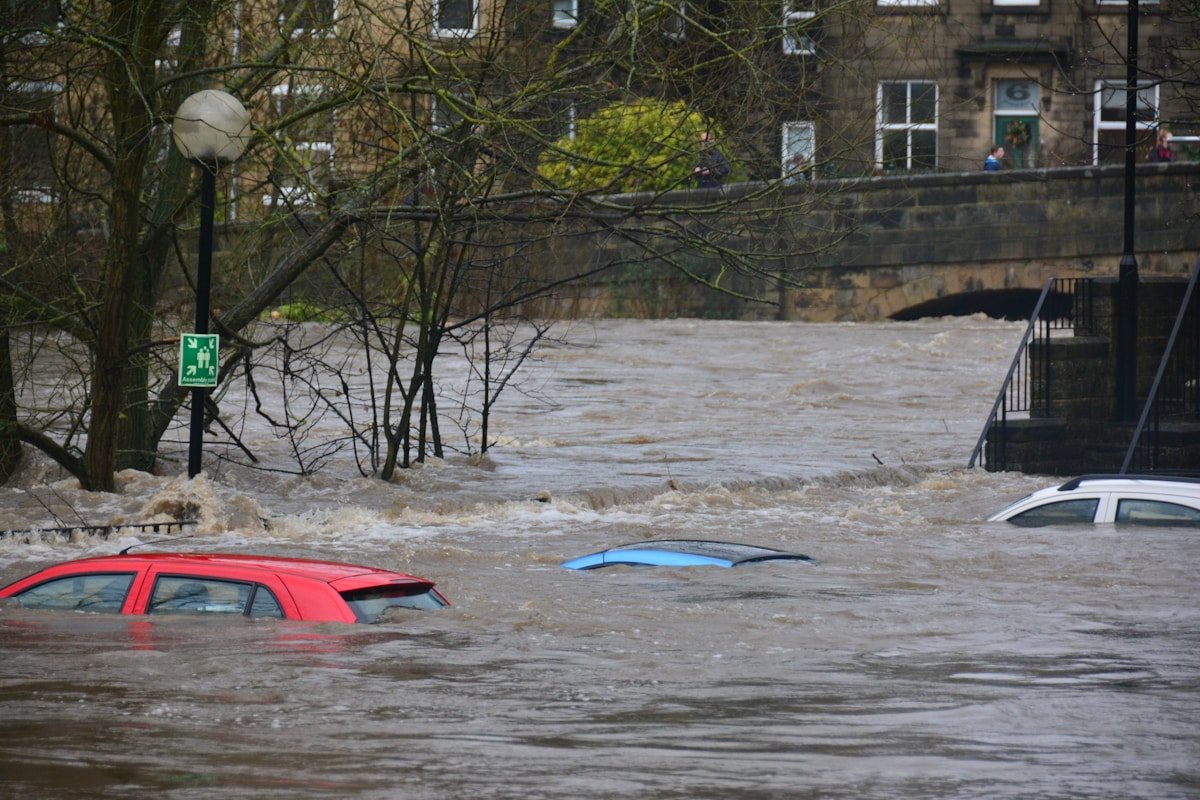
Does Car Insurance Cover Flood Damage?
Floodwater can destroy a car in minutes, and unlike a home, a vehicle can’t be moved to higher ground once the water rises unexpectedly. When owners discover their car sitting in a foot of water, the first question is whether insurance will pay, and the answer surprises many: your regular liability and collision coverage won’t help at all. Flood damage to a vehicle is covered only by comprehensive coverage, the same optional protection that handles theft and storms, and without it, a flooded car is entirely your loss.
This guide explains exactly when car insurance covers flood damage, why comprehensive is the only coverage that applies, how insurers decide to repair or total a flooded car, the one situation where a claim can be denied, and what to do if your vehicle floods. Understanding this before storm season can be the difference between a covered total loss and a five-figure write-off you absorb yourself.
Only Comprehensive Coverage Pays for Flood Damage
Flood damage to a car is covered exclusively by comprehensive coverage, the optional part of an auto policy that pays for non-collision losses like flooding, theft, fire, vandalism, and falling objects. If you carry comprehensive and your car is damaged by rising water, a flash flood, a storm surge, or a hurricane, your insurer pays to repair or replace it, minus your deductible. This holds whether the water came from a natural flood, a swollen river, or water that entered the vehicle during a severe storm.
The critical gap is that comprehensive is optional. If you carry only your state’s required liability coverage, or even liability plus collision, flood damage isn’t covered, because liability pays only for damage you cause to others and collision applies only to crashes. Lenders require comprehensive on financed and leased cars, but owners of paid-off vehicles who dropped to liability-only to save money often have no flood protection at all. This is the same coverage that handles a stolen car, as explained in our guide on whether car insurance covers theft. Use our car insurance calculator to weigh comprehensive against your vehicle’s value.
Which Coverage Applies to Flood
Because the coverage type determines everything, here’s how the common auto coverages respond to flood damage.
| Coverage You Carry | Flood Damage Covered? |
|---|---|
| Comprehensive coverage | Yes, minus your deductible |
| Collision coverage only | No |
| Liability only (state minimum) | No |
| Full coverage (includes comprehensive) | Yes, minus your deductible |
The term “full coverage” is what causes confusion. Full coverage typically means liability plus collision plus comprehensive, so people with full coverage are protected. But someone who assumes “full coverage” and actually carries only liability and collision has no flood protection. The only way to know is to check your declarations page for the comprehensive line. If it’s there, flooding is covered; if it’s blank, it isn’t.
How Insurers Decide: Repair or Total
Flooded cars are frequently declared total losses, and for good reason. Water, especially saltwater, causes progressive, hard-to-detect damage to a vehicle’s engine, transmission, electrical systems, computer modules, and interior. Even after a car dries out, corrosion and electrical failures can surface months later, so insurers often find that the cost and risk of repair exceed the vehicle’s value.
When your insurer assesses a flooded car, they weigh the repair cost against the car’s actual cash value (ACV), its depreciated market value. If repairs approach or exceed a threshold (often a set percentage of ACV), they declare it a total loss and pay you the ACV minus your deductible, rather than repairing it. The depth and type of water matter: water reaching the dashboard or engine almost always totals a car, while shallow water that didn’t reach critical systems might be repairable. One important companion issue arises when you owe more on your loan than the car’s ACV, that shortfall is exactly what gap insurance addresses, as covered in our guide on gap insurance. A totaled flood car also gets a branded title, which is why buying one used is so risky.
The One Situation Where Flood Claims Get Denied
Comprehensive flood claims are generally reliable, with one significant exception: intentionally driving into flood water. If you deliberately drive into a flooded road, ignore barricades, or attempt to cross water despite obvious danger, your insurer may deny the claim on the grounds of negligence or reckless behavior. The principle is that insurance covers accidental and unavoidable damage, not damage from knowingly driving into a hazard.
This distinction matters enormously during storms. A car flooded while parked in a driveway, garage, or lot, where the water came to the car, is a straightforward covered claim. A car flooded because the driver plowed into a submerged underpass after going around a road-closed sign invites a denial. Beyond the coverage issue, driving into flood water is genuinely dangerous: just a foot of moving water can sweep a vehicle away, and “Turn Around, Don’t Drown” exists because flooded roads kill people every year. The safe and insurable choice is always to avoid flooded roads entirely. Note too that comprehensive covers the car, not your personal belongings inside it, those fall under a home or renters policy.
What to Do If Your Car Floods
Acting correctly after a flood protects both your safety and your claim. The single most important rule comes first: do not start the engine. Attempting to start a flooded car can pull water into the engine and cause catastrophic additional damage that may not be covered, since it results from your action rather than the flood. Let it sit and call your insurer first.
| Step | Why It Matters |
|---|---|
| Don’t start the engine | Starting it can cause major, possibly uncovered, damage |
| Document with photos and video | Record the water line and damage before anything is moved |
| Note the water depth and type | Saltwater and dashboard-height water usually mean a total loss |
| Contact your insurer promptly | Fast filing speeds assessment and payout |
| Don’t attempt DIY repairs first | Let the adjuster inspect before any work begins |
Photograph the car from multiple angles, capturing the high-water mark on the body and interior, which helps the adjuster gauge severity. Record where and how the flooding happened (a covered scenario like a parked car in a flooded lot). File promptly, provide your documentation, and let the insurer’s adjuster assess before authorizing any repairs. If the car is drivable-seeming, resist the urge to test it, moving or starting it can worsen both the damage and your claim position.
Frequently Asked Questions
Does car insurance cover flood damage?
Only if you carry comprehensive coverage, which pays to repair or replace a flood-damaged vehicle minus your deductible. Liability-only and collision-only policies don’t cover flooding. Comprehensive is the sole coverage that responds to water damage from floods, storms, and hurricanes.
Is flood damage comprehensive or collision?
Comprehensive. Flooding is a non-collision event, so it falls under comprehensive coverage, the same part of your policy that handles theft, fire, and storms. Collision coverage applies only to crashes with other vehicles or objects and never covers flood damage.
Does full coverage include flood damage?
Usually yes, because “full coverage” typically means liability plus collision plus comprehensive, and comprehensive covers flooding. But confirm your policy actually includes comprehensive, some drivers assume they have full coverage when they only carry liability and collision, which wouldn’t cover a flood.
Will my flooded car be totaled?
Often, yes. Water causes progressive damage to the engine, electrical systems, and computers that’s costly and risky to repair, so insurers frequently declare flooded cars total losses, especially when water reached the dashboard or was saltwater. You’d receive the car’s actual cash value minus your deductible.
Can an insurer deny a flood claim?
Generally only if you intentionally drove into flood water, ignored barricades, or acted recklessly, which can be denied as negligence. A car flooded while parked or through unavoidable circumstances is a covered comprehensive claim. Starting a flooded engine can also cause additional damage that may not be covered.
What should I do first if my car floods?
Don’t start the engine, doing so can pull water in and cause major, possibly uncovered, damage. Instead, document the car with photos and video showing the water line, note the depth and water type, and contact your insurer promptly. Let the adjuster inspect before any repairs.
Does comprehensive cover belongings damaged in the flood?
No. Comprehensive covers the vehicle itself, not personal items inside it. Laptops, tools, or other belongings damaged by the flood would fall under your homeowners or renters policy, subject to that policy’s terms and deductible, not your auto insurance.
Should I buy a car that was flooded?
Be very cautious. Flooded cars receive branded (salvage or flood) titles because of hidden, progressive damage to electrical and mechanical systems that often surfaces later. Some flood cars are cleaned up and resold without disclosure, so always check the title history and have any used car inspected before buying.
The Bottom Line
Car insurance covers flood damage through one coverage only: comprehensive. With it, a flooded vehicle is repaired or replaced at its actual cash value minus your deductible, whether the water came from a flash flood, storm surge, or hurricane. Without it, on a liability-only or liability-plus-collision policy, a flooded car is entirely your loss, a critical gap for owners of paid-off vehicles who assume they’re covered.
Because water causes progressive, hard-to-detect damage, flooded cars are frequently totaled, and understanding actual cash value, gap insurance for loan shortfalls, and branded titles helps you navigate the aftermath. The main way to lose an otherwise valid claim is to intentionally drive into flood water, which is both uninsurable as negligence and genuinely life-threatening.
The practical playbook is clear: confirm comprehensive is on your policy before storm season, never drive into flooded roads, and if your car does flood, don’t start it, document everything, and call your insurer before touching it. Check your declarations page today, if the comprehensive line is blank and you live anywhere storms and flooding occur, that’s the gap worth closing now, not after the water rises.
Want flood protection that actually pays? Visit Matrix Insurance to review your options. Use our car insurance calculator to weigh comprehensive coverage for your vehicle, or contact our team for personalized guidance on flood and storm coverage.













2 comments