What Homeowners Insurance Doesn’t Cover
Homeowners insurance is one of the most important safeguards for your property, but it’s not an all-encompassing shield. Every policy has exclusions, and many homeowners only discover these gaps when it’s time to file a claim and learn their loss isn’t covered. Knowing what your policy doesn’t cover is just as important as knowing what it does, because those gaps can often be filled before disaster strikes.
This guide explains the most common homeowners insurance exclusions, why they’re excluded, and how to fill the gaps with separate policies or endorsements. Understanding these limitations helps you avoid an unwelcome surprise and ensures you have the right protection in place for the specific risks your home faces.
Why Standard Policies Have Exclusions
Insurance is generally designed to cover sudden, accidental, and unpredictable events. Exclusions tend to fall into two categories: large-scale disasters that can cause widespread regional damage, and losses that are preventable through proper maintenance. Both are excluded for logical reasons related to how insurance pools risk.
Large-scale natural disasters like floods and earthquakes are excluded because they can devastate entire regions at once, which is why they’re handled through separate policies or specialty programs. Maintenance-related damage is excluded because homeowners are expected to care for their property. Our guide to what homeowners insurance covers explains what is included.
Flood Damage
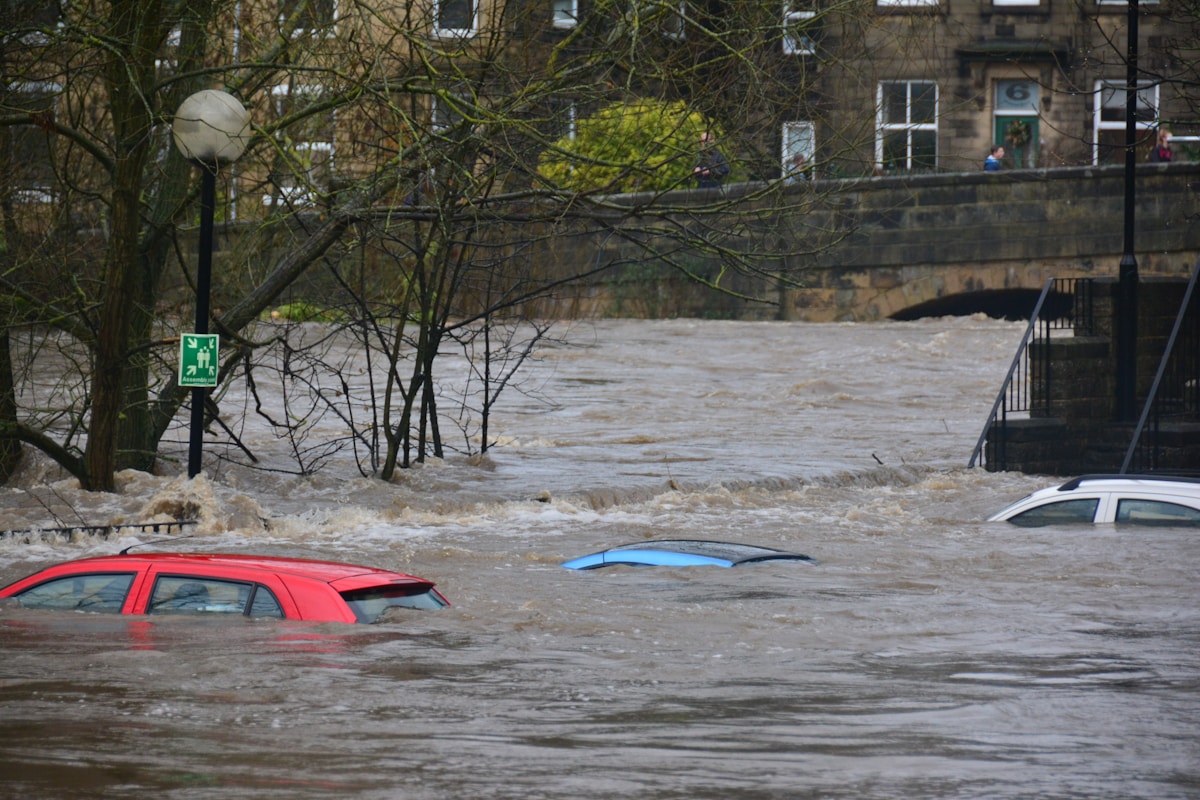
Flood damage is the most well-known exclusion. Standard homeowners insurance does not cover damage from flooding, whether caused by a hurricane, an overflowing creek, or heavy rain and flash flooding. This is true even in areas not considered high-risk, since flash flooding can happen almost anywhere.
To protect against flooding, you need a separate flood insurance policy, available through the National Flood Insurance Program or private insurers. Given that even modest flooding can cause tens of thousands of dollars in damage, flood insurance is worth considering for nearly all homeowners. Our guide to whether you need flood insurance covers this in detail.
Earthquakes and Earth Movement
Earthquakes and other earth movement are excluded from standard policies. This category includes earthquakes, landslides, mudslides, sinkholes, and soil settlement, all considered earth movement. The cost to repair structural damage from these events can be staggering, from foundation cracks to complete loss.
If you live in an area with seismic or geological risk, you can add earthquake coverage through an endorsement or purchase a separate policy. Some states with sinkhole risks require insurers to make optional coverage available. If your property faces any earth-movement risk, exploring these add-ons is worthwhile, since standard coverage offers nothing for these perils.
Maintenance and Wear and Tear
Your policy won’t cover damage resulting from a lack of maintenance, normal wear and tear, or preventable problems. It’s your responsibility to maintain your home and take reasonable precautions. Insurance covers unexpected events, not the gradual deterioration that comes from neglect or aging.
For example, if your roof leaks because the shingles are decades old and were never replaced, the claim will likely be denied. Similarly, a dead tree that you failed to remove falling on your house may not be covered. Insurers are increasingly denying claims based on neglected maintenance, making regular upkeep essential to keeping your coverage effective.
Common Exclusions and How to Cover Them
Many gaps can be filled with endorsements or separate policies. Here’s a summary of common exclusions and their solutions.
| Excluded Peril | How to Cover It |
|---|---|
| Flood | Separate flood insurance policy |
| Earthquake / earth movement | Earthquake endorsement or separate policy |
| Sewer / drain backup | Sewer backup endorsement |
| High-value items | Scheduled personal property endorsement |
| Home business | Business or specialized coverage |
Many of these endorsements cost relatively little, making them a smart way to close gaps. Use our home insurance calculator to estimate your coverage costs.
Sewer and Drain Backup
Damage from sewer or drain backup is typically not covered by a standard policy, and notably, it isn’t covered by flood insurance either. A sewage backup or sump pump overflow can quickly ruin flooring, furniture, and belongings, creating a hazardous and expensive mess.
The good news is that sewer backup coverage can usually be added as an endorsement for a nominal cost. This coverage protects against system failures like a collapsed sewer pipe or a system overwhelmed by heavy rain. If your home has a basement or is in an area prone to heavy rainfall, this affordable add-on is worth considering.
Mold, Pests, and Other Gaps
Mold coverage is nuanced. If mold results from a covered peril, such as water from a burst pipe or water used to extinguish a fire, your policy will usually cover it. But mold from an uncovered cause like flooding, high humidity, or a slow, neglected leak is typically excluded, often with delayed cleanup cited as a reason for denial.
Pest and termite infestations are excluded because they’re considered preventable through maintenance. High-value items like jewelry and art have sub-limits and need a scheduled endorsement for full protection. Home businesses and short-term rentals also typically need specialized coverage beyond a standard policy. Regular policy reviews help you spot these gaps before they matter.
Frequently Asked Questions
What does homeowners insurance not cover?
Standard homeowners insurance typically doesn’t cover floods, earthquakes and earth movement, maintenance damage and wear and tear, sewer backup, pest infestations, and mold from uncovered causes. Many of these gaps can be filled with separate policies or endorsements.
Does homeowners insurance cover flood damage?
No, standard homeowners insurance doesn’t cover flood damage from any source, including hurricanes, overflowing waterways, or heavy rain. You need a separate flood insurance policy through the National Flood Insurance Program or a private insurer to be protected.
Are earthquakes covered by homeowners insurance?
No, earthquakes and other earth movement like landslides, mudslides, and sinkholes are excluded from standard policies. You can add earthquake coverage through an endorsement or buy a separate policy if you live in an area with seismic or geological risk.
Why won’t my insurance cover my roof leak?
If the leak results from old, neglected, or poorly maintained shingles, it’s considered a maintenance issue and excluded. Insurance covers sudden, accidental damage, not gradual deterioration from neglect. Regular maintenance is essential to keeping claims valid.
Does homeowners insurance cover sewer backup?
No, sewer and drain backup is typically not covered by standard policies or by flood insurance. However, you can usually add sewer backup coverage as an endorsement for a nominal cost, protecting against system failures and overwhelmed drains.
Is mold covered by homeowners insurance?
It depends on the cause. Mold is usually covered if it results from a covered peril, like water from a burst pipe. Mold from an uncovered cause such as flooding, humidity, or a slow, neglected leak is typically excluded. Prompt cleanup matters for coverage.
Does homeowners insurance cover termite damage?
No, damage from termites and other pests is typically excluded because infestation is considered preventable through proper maintenance. Regular inspections and upkeep are your responsibility, and insurers view pest damage as a maintenance issue rather than a sudden event.
How do I cover the gaps in my homeowners policy?
Many gaps can be filled with endorsements or separate policies: flood insurance for floods, an earthquake endorsement for earth movement, sewer backup coverage, and scheduled personal property for valuables. Review your policy with an agent to identify the gaps relevant to you.
The Bottom Line
Homeowners insurance protects against many perils, but it has important exclusions that catch unprepared homeowners off guard. The biggest are floods and earthquakes, both excluded because they can cause widespread regional damage, and both requiring separate coverage. Maintenance damage, wear and tear, and preventable problems are also excluded.
Other common gaps include sewer backup, mold from uncovered causes, pest infestations, and limited coverage for high-value items, home businesses, and short-term rentals. Fortunately, many of these gaps can be closed affordably with endorsements or separate policies, often for a nominal additional cost.
The key is understanding your exclusions before you need to file a claim, not after. Reviewing your policy with these common gaps in mind, and adding coverage for the risks your home actually faces, ensures you’re not left with an uncovered loss. Regular policy reviews and good home maintenance together keep your protection effective.
Ready to identify and close the gaps in your coverage? Visit Matrix Insurance to explore your options. Use our home insurance calculator to estimate costs, or contact our team for personalized guidance on filling the gaps in your homeowners policy.














3 comments