Do I Need Flood Insurance?
Many homeowners assume their homeowners insurance would cover a flood, only to discover after disaster strikes that it doesn’t. Flood damage is one of the most common and costly perils a home can face, yet it’s excluded from standard policies entirely. Whether you need separate flood insurance depends on your location and risk, but the answer is “yes” for far more homeowners than realize it.
This guide explains why flood insurance is separate, who needs it, how to check your flood risk, the difference between NFIP and private coverage, the critical waiting period, and how to buy a policy. Understanding flood insurance helps you avoid a devastating uncovered loss and make an informed decision about protecting your home.
Why Flood Insurance Is Separate
Standard homeowners insurance does not cover flood damage. This surprises many homeowners, but floods are excluded because they can cause widespread, catastrophic losses across entire regions at once, which doesn’t fit how standard insurance pools risk. To be protected against flooding, you need a separate flood insurance policy.
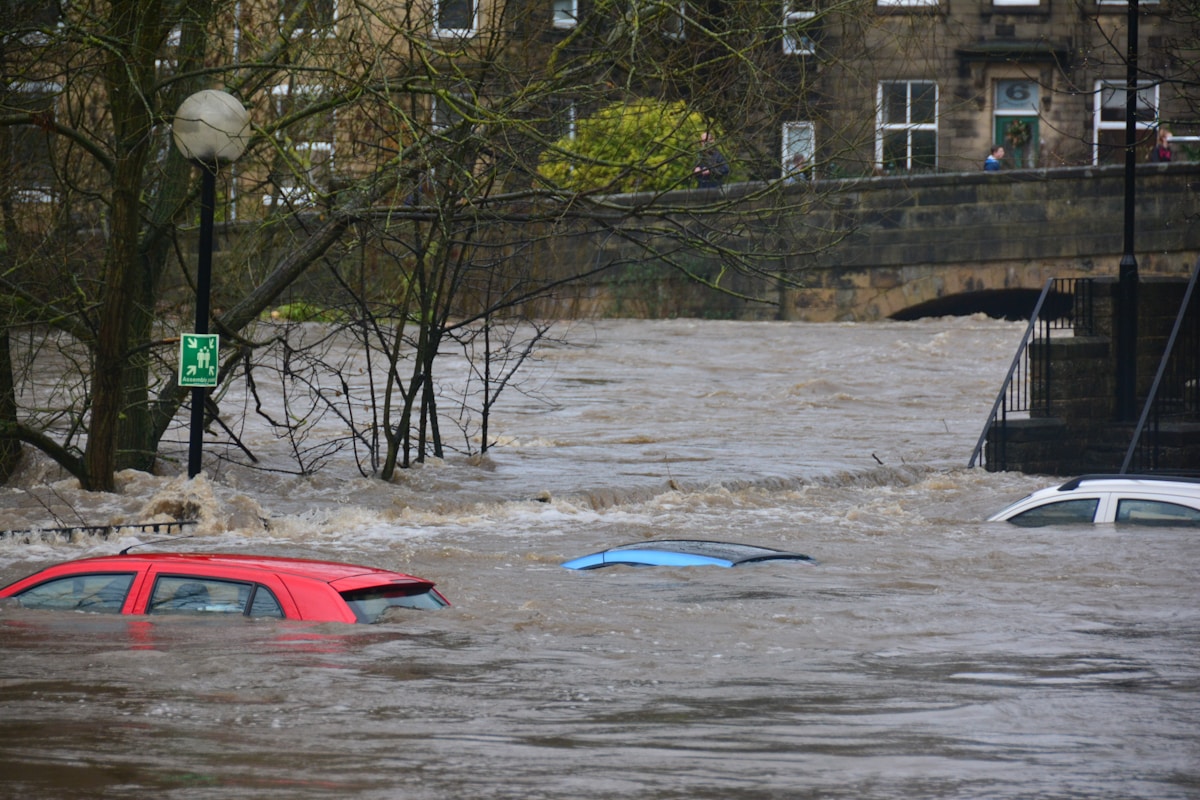
This means that without flood insurance, damage from rising water, whether from a storm surge, an overflowing river, or heavy rainfall, comes entirely out of your pocket. Given that even a few inches of water can cause tens of thousands of dollars in damage, this gap is one of the most significant in standard homeowners coverage. Our guide to what homeowners insurance doesn’t cover explains other key exclusions.
Who Needs Flood Insurance
If you live in a high-risk flood zone, your mortgage lender will almost certainly require flood insurance as a condition of your loan. But the need extends well beyond mandated areas. A striking fact: about 25 percent of flood claims come from properties in lower-risk flood zones, where coverage isn’t required.
This means that even if you’re not required to carry flood insurance, you may still be at real risk. Heavy rains, clogged storm drains, rapid snowmelt, and flash flooding can flood homes in areas considered low-risk. Just because flood insurance isn’t required doesn’t mean you’re safe, which is why it’s worth considering for nearly all homeowners.
How to Check Your Flood Risk
The first step in deciding is understanding your actual flood risk. You can search your address in FEMA’s Flood Map Service Center to find your property’s designated flood risk zone. You can also ask your insurance agent or mortgage lender for flood risk information about your property or area.
Keep in mind that FEMA flood maps are updated periodically, so your risk designation can change over time. It’s worth checking your flood risk at each policy renewal to confirm whether your coverage is still adequate or whether you’ve been newly mapped into a higher-risk zone. Risk can also increase due to nearby development that changes water drainage.
NFIP vs. Private Flood Insurance
Flood insurance comes from two main sources. The National Flood Insurance Program (NFIP), administered by FEMA, writes the majority of residential flood policies. Private flood insurance from independent insurers is also available and has grown as an alternative, sometimes offering higher limits or shorter waiting periods.
| Feature | NFIP | Private |
|---|---|---|
| Waiting period | 30 days (standard) | Often 10-14 days |
| Building coverage cap | $250,000 | Often higher |
| Availability | Participating communities | Varies by insurer |
NFIP rates don’t vary by the agent selling them, while private policies can offer higher limits above NFIP’s cap. Which is better depends on your home, location, and coverage needs. Use our home insurance calculator to estimate your overall coverage costs.
The Critical Waiting Period
One of the most important things to understand is the waiting period. NFIP policies typically have a 30-day waiting period before coverage takes effect, meaning you cannot buy a policy as a storm approaches and expect protection. The clock starts on the first day the policy is active, not the day you buy it.
This is the single most expensive misunderstanding in flood preparedness. There are exceptions: the waiting period may be waived when flood insurance is required for a loan closing, reduced to one day if you were newly mapped into a high-risk zone and buy within 13 months, or waived for certain wildfire-related flood risk. Otherwise, plan well ahead, since waiting until you need coverage means you’re already too late.
How to Buy Flood Insurance
Buying flood insurance is straightforward. For an NFIP policy, contact the same insurance agent who handles your home or auto coverage, since they can typically write an NFIP policy or refer you to someone who can. You can also use FEMA’s resources at floodsmart.gov to find a provider.
You’ll fill out an application, select your coverage levels, and begin paying premiums, with coverage starting after the waiting period. For private flood insurance, you can research and compare companies or ask your state insurance department for resources. In either case, purchasing before you need it gives you the most choices and ensures you’re covered when a flood actually happens.
A Note on NFIP Reauthorization
The NFIP operates under periodic congressional reauthorization, and its authority has lapsed and been renewed multiple times over the years. During a lapse, the NFIP generally cannot issue new or renewal policies, though existing policies remain in effect and claims continue to be paid as funds allow.
Private flood insurance is not affected by NFIP reauthorization status. If you’re considering flood coverage, it’s worth being aware of the program’s reauthorization timeline and discussing current availability with your agent. This is another reason not to delay, since program timing can affect when and how you can obtain NFIP coverage.
Frequently Asked Questions
Does homeowners insurance cover flood damage?
No, standard homeowners insurance doesn’t cover flood damage. Floods are excluded because they cause widespread, catastrophic losses. To be protected, you need a separate flood insurance policy through the NFIP or a private insurer.
Do I need flood insurance if I’m not in a flood zone?
You may still want it. About 25 percent of flood claims come from lower-risk zones, since heavy rain, clogged drains, and snowmelt can flood homes anywhere. Even when not required, flood insurance is worth considering for nearly all homeowners.
Is flood insurance required?
If you live in a high-risk flood zone and have a mortgage, your lender will almost certainly require flood insurance. Outside high-risk zones it’s typically optional, but given that floods can happen anywhere, it’s often worth carrying regardless.
How do I check my flood risk?
Search your address in FEMA’s Flood Map Service Center to find your designated flood zone, or ask your insurance agent or mortgage lender. Flood maps update periodically, so check at each renewal in case your risk designation has changed.
What’s the difference between NFIP and private flood insurance?
NFIP, run by FEMA, writes most residential flood policies with a building coverage cap of $250,000 and a standard 30-day waiting period. Private flood insurance can offer higher limits and shorter waiting periods. Which is better depends on your home and needs.
How long is the flood insurance waiting period?
NFIP policies typically have a 30-day waiting period before coverage takes effect, while private policies are often 10 to 14 days. Exceptions exist for loan closings, recent flood map changes, and certain wildfire-related risk. You can’t buy coverage as a storm approaches.
How much does flood insurance cover?
NFIP building coverage is capped at $250,000, with separate limits for contents. Private flood insurance can offer higher limits if you need coverage above the NFIP cap. Consider your home’s value and contents when choosing your coverage levels.
How do I buy flood insurance?
For NFIP coverage, contact the agent who handles your home or auto insurance, or use FEMA’s floodsmart.gov to find a provider. For private coverage, compare companies or check your state insurance department. Buy before you need it, since the waiting period applies.
The Bottom Line
Flood insurance is one of the most important coverages standard homeowners insurance doesn’t include. Because floods are excluded entirely, the only way to protect your home from flood damage is a separate policy through the NFIP or a private insurer. For homes in high-risk zones with a mortgage, it’s required.
But the need extends far beyond mandated areas, since about a quarter of flood claims come from lower-risk zones where heavy rain, drainage problems, and snowmelt can still cause flooding. Checking your flood risk through FEMA’s maps and considering coverage even when it’s not required protects you from a costly uncovered loss.
The most critical practical point is the waiting period: NFIP policies generally take 30 days to take effect, so you cannot buy coverage as a storm approaches. Purchasing well ahead of any threat ensures you’re protected when you need it. For nearly all homeowners, understanding your flood risk and acting on it before disaster strikes is a smart move.
Ready to find out if flood insurance is right for you? Visit Matrix Insurance to explore your options. Use our home insurance calculator to estimate your coverage costs, or contact our team for personalized guidance on protecting your home from flooding.














Post Comment
You must be logged in to post a comment.