Does Home Insurance Cover a Power Surge?
A single power surge can fry everything plugged into your walls in less than a thousandth of a second, the TV, the refrigerator, the furnace control board, the computer, all at once. When it happens, the repair and replacement bill adds up fast, and the natural question is whether homeowners insurance will cover it. The answer is a clear “it depends,” and what it depends on is the cause. Understanding which surges your policy pays for, which it excludes, and the optional coverage that fills the gaps can save you from an expensive surprise.
This guide explains when homeowners insurance covers a power surge, which coverages pay for what, the causes that are excluded, how equipment breakdown coverage helps, and the steps to take after a surge damages your home.
Coverage Depends on the Cause
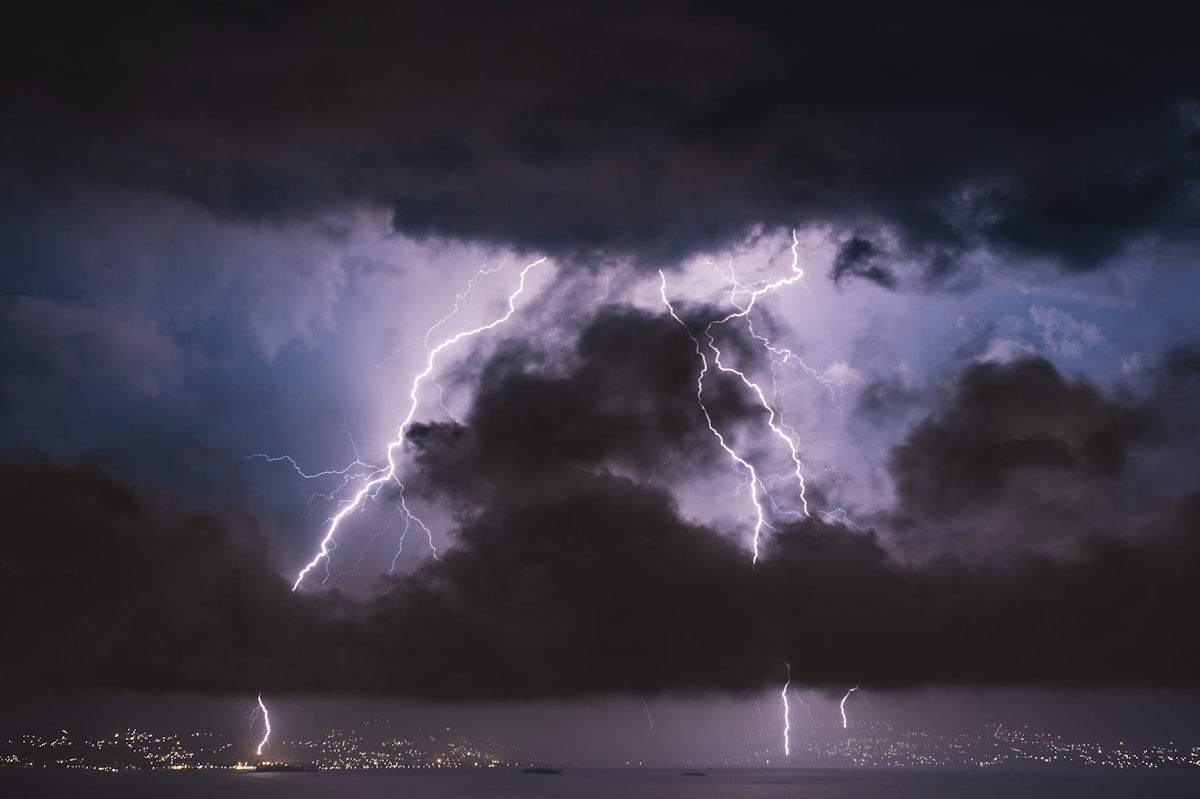
Homeowners insurance covers power surge damage when the surge results from a covered peril, the same cause-based logic that governs water damage and most other claims. The clearest covered cause is lightning: if a lightning strike hits your home or nearby power lines and sends a voltage spike through your system, the resulting damage is typically covered. Other covered-peril surges include those from downed power lines in a windstorm, a transformer explosion, or a vehicle striking a utility pole.
The key principle is that the surge must come from a sudden, accidental, covered event, not from something gradual or self-inflicted. When that condition is met, your standard policy can pay to repair or replace what the surge damaged, minus your deductible. When the cause falls outside your covered perils, or is something you created, coverage generally doesn’t apply. Use our home insurance calculator to think through your coverage.
Which Coverage Pays for What
A power surge can damage several different things in your home, and different parts of your policy respond to each. The table below shows how.
| What’s Damaged | Which Coverage Applies |
|---|---|
| Electronics and plug-in appliances (TV, fridge, computer) | Personal property coverage |
| Built-in systems (furnace, water heater) | Dwelling coverage |
| Damaged wiring inside your walls | Dwelling coverage |
| Living elsewhere during a prolonged outage | Loss of use coverage |
| Food spoilage in a covered outage | May be covered under personal property |
So your personal property coverage handles the portable items, the electronics and appliances you plug in, up to your limit and minus your deductible. Damage to things built into your home, like a furnace, water heater, or the wiring in your walls, falls under dwelling coverage. If a surge causes a prolonged outage that makes your home temporarily uninhabitable, loss of use coverage can help with the cost of staying elsewhere. Each of these is subject to your deductible, so weigh the damage against it before filing.
What’s Not Covered
Several common surge causes fall outside standard coverage, and almost all of them share a theme: they’re either self-inflicted or gradual rather than sudden and accidental. The biggest exclusion is an overloaded circuit, if you plug too many high-draw devices into one circuit and cause a voltage spike, insurers deny the claim because the homeowner created the condition.
Other exclusions follow the same logic. Gradual voltage fluctuations from the utility, chronic under-voltage or over-voltage from the grid that slowly degrades your electronics over weeks or months, aren’t sudden or accidental, so they’re treated as a utility infrastructure issue rather than a covered peril. The gradual wear of breakers, outlets, and even surge protectors over years of use is excluded under the standard maintenance exclusion. And a power outage itself causes no insurable damage, though the surge when power returns sometimes does (coverage for that return-surge varies by policy). One more nuance worth knowing: many policies cover “artificially generated electrical current” (a man-made surge, like one from utility maintenance work), but insurers may still exclude damage to internal components like tubes and transistors inside your electronics even then. The bottom line is that self-created and gradual surges are your responsibility; sudden surges from covered perils are the insurer’s.
Equipment Breakdown Coverage Fills the Gap
If you want broader protection for your appliances and electronics than a standard policy provides, equipment breakdown coverage is the optional add-on to consider. It extends coverage to appliances, home systems, and smart-home devices damaged by power surges and other electrical or mechanical failures, and it comes with two meaningful advantages over standard coverage: no per-item limits, and a lower deductible.
That combination matters because standard personal property coverage can have sublimits and a full deductible that eat into a surge claim, especially if many devices are damaged at once. Equipment breakdown coverage, often available for a small additional premium, smooths those rough edges and broadens what qualifies, capturing some surge scenarios a base policy might limit or exclude. For homeowners with significant investments in electronics, smart-home technology, or expensive built-in systems, or anyone in a storm-prone, surge-prone area, it’s frequently worth the modest cost. Ask your insurer whether it’s available on your policy and what specifically it adds.
What to Do After a Power Surge
Acting methodically after a surge protects both your safety and your claim. First, once it’s safe, assess and document the damage: make a detailed, itemized list of every electronic and appliance affected, and photograph each one. Record when the surge happened and, if you know it, the cause (write “unknown” if you’re unsure, that’s fine). This documentation is the backbone of your claim.
Next, determine the cause if you can, since it dictates coverage, a nearby lightning strike or a reported transformer failure points to a covered peril, while an overloaded circuit does not. Then contact your insurer to file a claim, providing your itemized list, photos, and any evidence of the cause (a utility company notice or news of a local outage can help). Compare the total damage against your deductible before filing, for a single inexpensive device, it may not be worth a claim. Going forward, protect yourself: use quality surge protectors, unplug sensitive electronics during storms, and upgrade old or inadequate wiring, all of which reduce both the odds and the severity of surge damage. This cause-based approach mirrors other home claims, like the rules we cover in our guide on what homeowners insurance doesn’t cover.
Frequently Asked Questions
Does homeowners insurance cover power surges?
It depends on the cause. If a covered peril like lightning, downed power lines, or a transformer explosion causes the surge, your policy typically pays to repair or replace the damaged electronics, appliances, and wiring, minus your deductible. Surges from overloaded circuits or gradual grid issues are excluded.
Does insurance cover electronics damaged by a power surge?
Yes, when the surge came from a covered peril. Your personal property coverage pays to repair or replace damaged electronics and plug-in appliances like TVs, refrigerators, and computers, up to your coverage limit and minus your deductible. The cause of the surge determines whether the claim is covered.
Is lightning-caused surge damage covered?
Yes. Lightning is one of the clearest covered perils on a standard policy. If a lightning strike hits your home or nearby power lines and sends a surge through your electrical system, the resulting damage to your electronics, appliances, wiring, and built-in systems is typically covered, minus your deductible.
What power surge causes are not covered?
Surges you create, like overloading a circuit with too many high-draw devices, are excluded. So are gradual voltage fluctuations from the utility, slow degradation of electronics over time, and wear of breakers, outlets, and surge protectors. A power outage itself isn’t covered, though the return surge sometimes is.
Does insurance cover a surge from the power company?
Sometimes. A sudden surge from a covered event like a transformer explosion or downed line may be covered, and many policies cover “artificially generated” surges from utility work. But chronic voltage fluctuations from the grid are treated as a utility infrastructure issue and typically aren’t covered. It depends on your policy.
What is equipment breakdown coverage?
It’s an optional add-on that covers appliances, home systems, and smart-home devices damaged by power surges and other electrical or mechanical failures. Its advantages over standard coverage are no per-item limits and a lower deductible, making it valuable for homeowners with significant electronics or systems to protect.
Does home insurance cover food spoilage from a power surge?
It may. If a covered power surge or the resulting outage causes food in your refrigerator or freezer to spoil, some policies cover the loss under personal property coverage, often up to a set limit. Check your policy for a food-spoilage provision and its limit, which varies by insurer.
How can I prevent power surge damage?
Use quality surge protectors for your electronics, unplug sensitive devices during storms, and upgrade old or inadequate wiring. Whole-home surge protection offers stronger defense than power strips alone. These steps reduce both the likelihood and severity of surge damage, and help keep your claims record clean.
The Bottom Line
Homeowners insurance covers power surge damage when the surge comes from a covered peril, lightning being the clearest example, along with downed power lines, transformer explosions, and similar sudden events. When covered, your personal property coverage pays for damaged electronics and appliances, dwelling coverage handles built-in systems and wiring, and loss of use can help if a prolonged outage forces you to live elsewhere, all minus your deductible.
What’s not covered follows a consistent logic: self-inflicted surges from overloaded circuits, gradual voltage problems from the grid, and the slow wear of electrical components are all excluded, because they’re neither sudden nor accidental. The cause is everything, just as it is with water damage and other home claims.
For broader protection, equipment breakdown coverage adds appliance and electronics protection with no per-item limits and a lower deductible, often worth the modest premium for tech-heavy homes. Pair the right coverage with good surge protectors, storm-time unplugging, and updated wiring, and you turn a potentially expensive electrical disaster into a manageable, well-protected event. Check your policy now so you know exactly where you stand before the next strike.
Want to be sure your electronics and home systems are protected? Visit Matrix Insurance to review your options. Use our home insurance calculator to evaluate your coverage, or contact our team for personalized guidance on power surge and equipment breakdown coverage.













Post Comment
You must be logged in to post a comment.