What Does Renters Insurance Not Cover?
Renters insurance protects against a lot, but it doesn’t cover everything, and the gaps are where renters get caught off guard. Discovering after a flood, a bedbug infestation, or a stolen engagement ring that your policy won’t pay is a frustrating and expensive surprise. Knowing the exclusions ahead of time lets you fill the important gaps with separate coverage or endorsements before you need them, rather than learning the hard way.
This guide explains what renters insurance does not cover, from natural disasters like floods and earthquakes to pests, your roommate’s belongings, your vehicle, and high-value items above policy limits. Understanding these exclusions helps you avoid coverage gaps and decide where you need additional protection.
Why Knowing the Exclusions Matters
Renters insurance is built around covering sudden, accidental events affecting your belongings and your liability. But every policy has limits and exclusions, situations it specifically won’t pay for. These aren’t loopholes; they’re standard across the industry, and most can be addressed with separate policies or add-ons if you know about them.
The danger is assuming you’re covered for something you’re not. A renter who believes their policy covers flood damage, then faces a flooded apartment, discovers the gap at the worst possible moment. Understanding the exclusions upfront lets you make informed choices about where to add protection. Our guide to what renters insurance covers explains the included protections.
The Major Exclusions
Several key exclusions appear in virtually every standard renters policy. The table below summarizes the most important ones.
| Not Covered | What You Need Instead |
|---|---|
| Floods | Separate flood insurance (NFIP or private) |
| Earthquakes | Earthquake policy or endorsement |
| Pests (bedbugs, rodents) | Generally not insurable; prevention |
| Roommate’s belongings | Their own policy |
| Your vehicle | Auto insurance |
| High-value items over limits | Scheduled personal property rider |
Knowing which gaps apply to you helps you decide what additional coverage to add. Use our home insurance calculator to estimate your needs.
Natural Disasters: Floods and Earthquakes
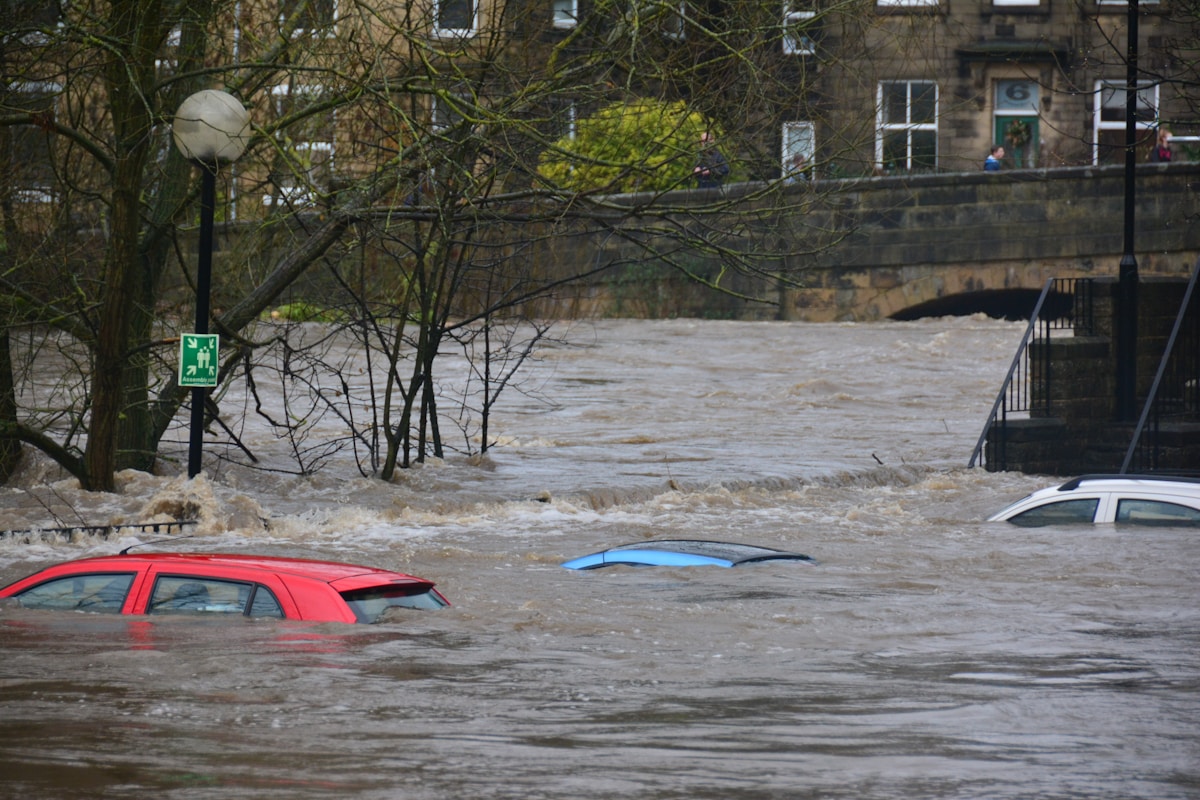
The most significant exclusions are floods and earthquakes. Standard renters insurance does not cover flood damage, regardless of the flood’s cause, so rising water from a storm, overflowing river, or similar event isn’t covered. Flood coverage requires a separate policy through the National Flood Insurance Program (NFIP) or a private insurer.
There’s an important nuance: while rising flood water is excluded, falling water often is covered, water entering through a hole in the roof or from a burst pipe is typically a covered peril. Earthquakes and sinkholes are similarly excluded and require their own policy or endorsement. If you live in a flood-prone or seismically active area, addressing these gaps is essential, since even a few inches of water can cause significant loss. Our guide to renters exclusions connects to broader home coverage topics.
Pests, Wear and Tear, and Maintenance
Renters insurance won’t pay for damage from pests like bedbugs, termites, and rodents, nor the cost to exterminate them. These are treated as preventable maintenance issues rather than sudden accidental losses, so both the damage and the pest-control costs fall on you (or potentially your landlord, depending on the lease and local law).
Similarly, renters insurance doesn’t cover normal wear and tear, gradual deterioration, or damage from neglect, since it’s your responsibility to maintain your belongings. If your couch wears out over years, or items left exposed on a balcony get ruined by weather over time, that’s not a covered loss. Insurance is designed for sudden, accidental events, not the gradual decline of your possessions.
The Roommate and Vehicle Gaps
Two exclusions surprise renters regularly. First, your policy covers only your belongings, not your roommate’s. If a fire damages both your and your unrelated roommate’s possessions, your policy pays for yours only. Each roommate needs their own policy, though some insurers let you add a roommate by endorsement, and spouses and relatives are typically covered under one policy.
Second, renters insurance doesn’t cover damage to your vehicle, even when it’s parked at your rental. Car damage and theft are handled by your auto insurance, not your renters policy. There’s a useful nuance, though: while the car itself isn’t covered, personal items stolen from inside your vehicle often are covered under your renters policy’s off-premises personal property coverage.
High-Value Items and Business Property
Standard renters policies impose sub-limits on certain high-value categories, meaning they cap reimbursement for items like jewelry, art, watches, firearms, collectibles, and cash, often well below their full value, commonly around $1,000 to $2,500 per category. So a stolen engagement ring or a valuable collection might be reimbursed for only a fraction of its worth.
To fully protect these items, you add a scheduled personal property rider (or floater), which insures specific valuables for their appraised value. Separately, business property and business liability are generally not fully covered; if you run a home business or use equipment to earn income, you typically need a business endorsement or separate policy. Identifying these gaps when you set up your policy prevents an unwelcome surprise. Our guide to how much renters insurance you need covers scheduling valuables.
How to Close the Gaps
The good news is that most exclusions can be addressed. For natural disasters, purchase separate flood insurance through the NFIP or a private insurer, or add an earthquake endorsement if you’re at risk. For high-value items, add scheduled personal property riders so your valuables are insured for their full worth, often with no deductible.
For a home business, ask about a business endorsement or a separate business policy. For roommates, have each person get their own policy or explore adding them by endorsement. The first step is always reading your policy carefully to understand its specific exclusions and limits, then talking to your insurer about endorsements to customize your coverage. Most gaps can be closed at a modest cost, far less than absorbing an uncovered loss yourself.
Frequently Asked Questions
What does renters insurance not cover?
Standard renters insurance doesn’t cover floods, earthquakes, pests like bedbugs and rodents, wear and tear, your roommate’s belongings, your vehicle, high-value items above policy sub-limits, or business property. Many of these gaps can be filled with separate policies or endorsements.
Does renters insurance cover flood damage?
No. Standard renters insurance excludes flood damage from rising water, regardless of cause. You need separate flood insurance through the NFIP or a private insurer. Note that falling water, like from a burst pipe or roof hole, is typically covered, unlike rising flood water.
Does renters insurance cover earthquakes?
No, earthquakes and sinkholes are excluded from standard renters policies. If you live in a seismically active area, you’ll need a separate earthquake policy or an endorsement added to your renters insurance to protect your belongings against earthquake damage.
Does renters insurance cover pest damage?
No. Damage from pests like bedbugs, termites, and rodents isn’t covered, nor is the cost to exterminate them. These are treated as preventable maintenance issues rather than sudden accidental losses, so the costs fall on you or potentially your landlord, depending on your lease.
Does my renters insurance cover my roommate’s belongings?
No, your policy covers only your belongings. If a covered loss damages both your and your unrelated roommate’s possessions, your policy pays for yours only. Each roommate needs their own policy, though some insurers allow adding a roommate by endorsement. Relatives are usually covered.
Does renters insurance cover my car?
No, damage to or theft of your vehicle is covered by auto insurance, not renters insurance, even when parked at your rental. However, personal items stolen from inside your car are often covered under your renters policy’s off-premises personal property coverage.
Are expensive items like jewelry fully covered?
Not by default. Standard policies cap reimbursement for high-value categories like jewelry, art, and collectibles, often around $1,000 to $2,500. To fully cover them, add a scheduled personal property rider that insures specific items for their appraised value.
How can I cover what renters insurance excludes?
Add separate flood or earthquake coverage if you’re at risk, scheduled personal property riders for high-value items, and a business endorsement for home business property. Read your policy to identify gaps, then talk to your insurer about endorsements. Most gaps close at modest cost.
The Bottom Line
Renters insurance covers a lot, but knowing its exclusions is just as important as knowing its protections. The biggest gaps are natural disasters, floods and earthquakes are not covered and require separate policies, along with pests, wear and tear, your roommate’s belongings, your vehicle, and high-value items above your policy’s sub-limits.
Many of these exclusions surprise renters at the worst possible time, after a loss has already happened. A flooded apartment, a bedbug infestation, or a stolen valuable worth far more than the policy’s jewelry sub-limit can leave you paying out of pocket if you assumed you were covered. Understanding the gaps in advance is what prevents that.
The reassuring part is that most exclusions can be closed. Separate flood and earthquake coverage, scheduled riders for valuables, and business endorsements can fill the gaps at modest cost. The key is to read your policy, understand exactly what it does and doesn’t cover, and talk to your insurer about adding protection where it matters for your situation, so nothing important is left exposed.
Ready to make sure your coverage has no dangerous gaps? Visit Matrix Insurance to explore your options. Use our home insurance calculator to estimate your needs, or contact our team for personalized guidance on renters insurance coverage and exclusions.














1 comment