Does Home Insurance Cover Power Surge Damage?
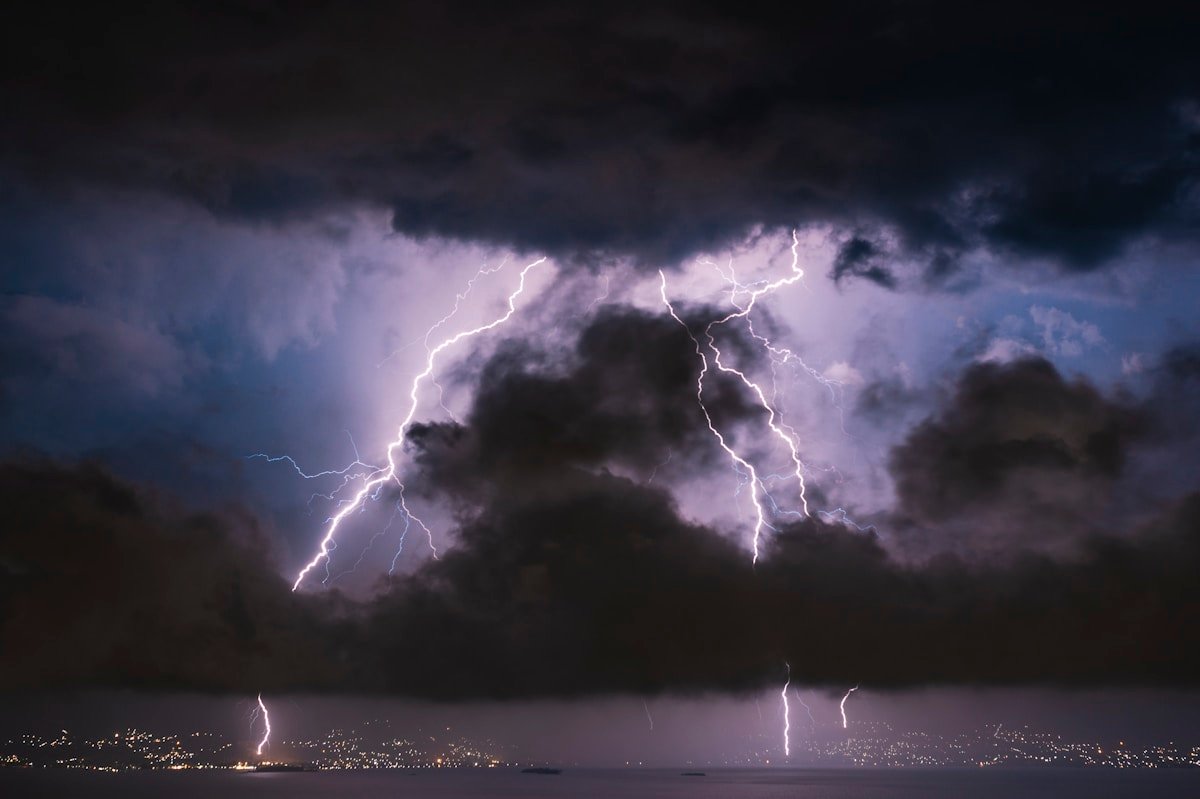
A lightning storm rolls through, and afterward your TV won’t turn on, the refrigerator is dead, and the home office is a graveyard of fried electronics. A single power surge can destroy thousands of dollars of equipment in a fraction of a second. The question that follows is whether homeowners insurance will pay, and the answer depends heavily on what caused the surge. Some surges are squarely covered, others fall into a gray area, and knowing the difference, plus one important add-on, determines whether you recover your losses.
This guide explains when homeowners insurance covers power surge damage, the crucial role of the cause, how the dwelling-versus-belongings split works, the equipment breakdown endorsement that fills the biggest gap, and how to protect your electronics before a surge ever hits. The governing principle: coverage depends on whether the surge came from a covered peril.
Coverage Depends on What Caused the Surge
Whether homeowners insurance covers a power surge hinges almost entirely on its cause. When a surge results from a covered peril, most importantly a lightning strike, homeowners insurance generally covers the resulting damage to your home’s systems and belongings, minus your deductible. Lightning is a named covered peril on standard policies, so a lightning-caused surge that fries your electronics and appliances is typically a straightforward claim.
The picture gets murkier with other causes. A surge from the utility company’s grid, a downed power line, or certain external electrical events may be covered depending on your policy and the specifics. But surges from causes the policy treats as excluded or as maintenance issues, like faulty wiring in your own home, a failed appliance, or normal wear, generally are not covered. And here’s a key limitation many homeowners don’t realize: internal power surges, the small, frequent surges generated inside your home by appliances cycling on and off, are typically not covered by standard homeowners insurance at all, which is where a specific add-on comes in (more below). Use our home insurance calculator to think through your coverage.
When a Power Surge Is Covered vs. Not
The table below summarizes how the cause determines coverage under a standard policy.
| Cause of Surge | Typically Covered? |
|---|---|
| Lightning strike | Yes (named covered peril) |
| Utility grid surge / downed power line | Sometimes (depends on policy) |
| Faulty home wiring | Generally no (maintenance) |
| Appliance failure / internal surge | Generally no (needs equipment breakdown add-on) |
| Normal wear and tear | No |
The clearest covered case is lightning, an external, sudden, named peril. Grid-related surges occupy a middle ground that depends on your policy’s wording and sometimes on whether the utility accepts responsibility. Internal surges and wiring or appliance issues generally fall outside standard coverage, treated as either maintenance or a risk that needs the equipment breakdown endorsement. This mirrors the broader logic of home insurance covered in our guide on what homeowners insurance covers and doesn’t cover: sudden, external, named perils are covered; gradual or internal failures usually aren’t.
The Dwelling vs. Belongings Split
When a power surge is covered, the damage is paid through two different parts of your policy depending on what was harmed. This split matters for understanding your total coverage and deductible.
Damage to your home’s built-in electrical systems and permanently attached components, wiring, your HVAC system, a hardwired security system, built-in appliances, is covered under your dwelling coverage. Damage to your personal belongings, plug-in electronics like TVs, computers, gaming systems, and standalone appliances, is covered under your personal property coverage. Both are subject to your deductible, and personal property is often reimbursed based on whether you have actual cash value (depreciated) or replacement cost coverage. This is a meaningful distinction: with actual cash value, a five-year-old TV destroyed by a surge might reimburse only a fraction of what a new one costs, while replacement cost coverage pays to replace it new. Because a major surge can damage both categories at once, a covered lightning claim might draw on both your dwelling and personal property coverage under a single deductible. As with theft claims, checking whether you have replacement cost coverage for your electronics makes a big difference in your payout, the same principle explained in our guide on whether home insurance covers theft.
The Equipment Breakdown Endorsement
The biggest gap in standard power surge coverage, internal surges, appliance and system failures, and mechanical or electrical breakdown, can be filled with an add-on called equipment breakdown coverage. This inexpensive endorsement (often just a small annual add to your premium) extends protection to damage that standard homeowners insurance excludes, and for anyone with valuable electronics, smart-home systems, or expensive appliances, it’s often well worth it.
Equipment breakdown coverage typically pays for damage from artificially generated electrical surges (including internal ones), mechanical breakdown, and motor burnout, covering things like HVAC systems, water heaters, kitchen appliances, home electronics, and increasingly the smart-home devices that fill modern homes. It generally applies regardless of whether the surge came from lightning or from an internal source, closing the gap that leaves internal surges uncovered under a base policy. It carries its own deductible and limits, so review the terms, but the coverage is broad and the cost is low. For a modern home packed with electronics and connected devices, this endorsement transforms power surge protection from partial (lightning only) to comprehensive. Ask your insurer whether it’s included or available, many homeowners have never heard of it despite how useful it is.
How to Protect Your Electronics from Surges
Because coverage has gaps and even covered claims carry deductibles, physical surge protection is your first line of defense. A layered approach guards your equipment and reduces the chance you’ll ever need to file.
| Protection | What It Does |
|---|---|
| Whole-house surge protector | Guards against large external surges at the panel |
| Point-of-use surge protectors | Protect individual devices at the outlet |
| Unplug during storms | The surest protection for sensitive electronics |
| Equipment breakdown endorsement | Insurance backup for internal surges and breakdown |
A whole-house surge protector installed at your electrical panel intercepts large surges (including many from the grid or nearby lightning) before they reach your circuits, while point-of-use surge protector strips guard individual devices like computers and entertainment systems, a layered defense professionals recommend. During a severe electrical storm, unplugging your most valuable and sensitive electronics is the surest protection of all, since no surge protector is perfect against a direct lightning strike. Pairing these physical protections with the equipment breakdown endorsement gives you both prevention and a financial backstop. Documenting your electronics (models, serial numbers, receipts) in a home inventory also speeds any future claim. Together, these steps mean a power surge is far less likely to cost you, whether through prevention or coverage.
Frequently Asked Questions
Does homeowners insurance cover power surge damage?
It depends on the cause. Surges from a covered peril, especially lightning, are generally covered, paying for damage to your home’s systems and belongings minus your deductible. Surges from faulty wiring, appliance failure, or internal sources typically aren’t covered without an equipment breakdown endorsement.
Is lightning damage to electronics covered?
Yes, generally. Lightning is a named covered peril, so a lightning-caused power surge that damages your electronics and appliances is typically covered under your policy, minus your deductible. Built-in systems fall under dwelling coverage and plug-in electronics under personal property coverage.
Are internal power surges covered?
Usually not under a standard policy. The small, frequent surges generated inside your home by appliances cycling on and off are typically excluded. To cover internal surges and appliance or system breakdown, you generally need an equipment breakdown endorsement added to your policy.
What is equipment breakdown coverage?
An inexpensive add-on that covers damage from artificially generated electrical surges (including internal ones), mechanical breakdown, and motor burnout, protecting HVAC systems, appliances, electronics, and smart-home devices. It fills the biggest gap in standard power surge coverage and is often well worth the small added premium.
Does insurance cover a surge from the power company?
Sometimes, it depends on your policy and the circumstances. A surge from the utility grid or a downed power line may be covered, though sometimes the utility may bear responsibility instead. Grid-related surges occupy a gray area, so check your policy wording and consider equipment breakdown coverage for certainty.
How much does insurance pay for surge-damaged electronics?
It depends on whether you have actual cash value or replacement cost coverage. Actual cash value pays the depreciated value (often far less than a new replacement), while replacement cost pays to buy new equivalents. Checking which you have makes a big difference in your payout for damaged electronics.
How can I protect my home from power surges?
Use a layered approach: a whole-house surge protector at your panel for large external surges, point-of-use surge protector strips for individual devices, and unplugging sensitive electronics during severe storms. Pair these with an equipment breakdown endorsement for financial backup against internal surges and breakdown.
Will a power surge claim raise my rates?
A covered surge claim can affect your premium like other claims, and multiple claims in a short period can have a larger impact. For smaller losses near your deductible, weigh whether filing is worthwhile. Lightning claims, being clearly not your fault, are often treated relatively favorably.
The Bottom Line
Whether homeowners insurance covers a power surge comes down to the cause. Surges from a covered peril, above all lightning, are generally covered, paying to repair or replace your damaged home systems (under dwelling coverage) and electronics (under personal property coverage), minus your deductible. Surges from the utility grid may be covered depending on your policy, but internal surges, faulty wiring, and appliance failures generally are not under a standard policy.
That gap is exactly what the equipment breakdown endorsement fills. For a small addition to your premium, it extends coverage to internal surges, mechanical breakdown, and the appliances, HVAC systems, and smart-home devices a base policy leaves exposed. For a modern, electronics-heavy home, it turns partial (lightning-only) protection into something close to comprehensive.
Because even covered surges carry deductibles and depreciation can shrink payouts, physical protection is your best first move: whole-house and point-of-use surge protectors, unplugging during severe storms, and confirming replacement cost coverage for your electronics. Combine prevention with the right coverage, check your policy for the equipment breakdown option and your electronics’ reimbursement basis, and a power surge becomes far less likely to leave you with an expensive, uncovered loss.
Want to protect your home’s electronics from a costly surge? Visit Matrix Insurance to review your options. Use our home insurance calculator to evaluate your coverage, or contact our team for personalized guidance on power surge and equipment breakdown coverage.














Post Comment
You must be logged in to post a comment.