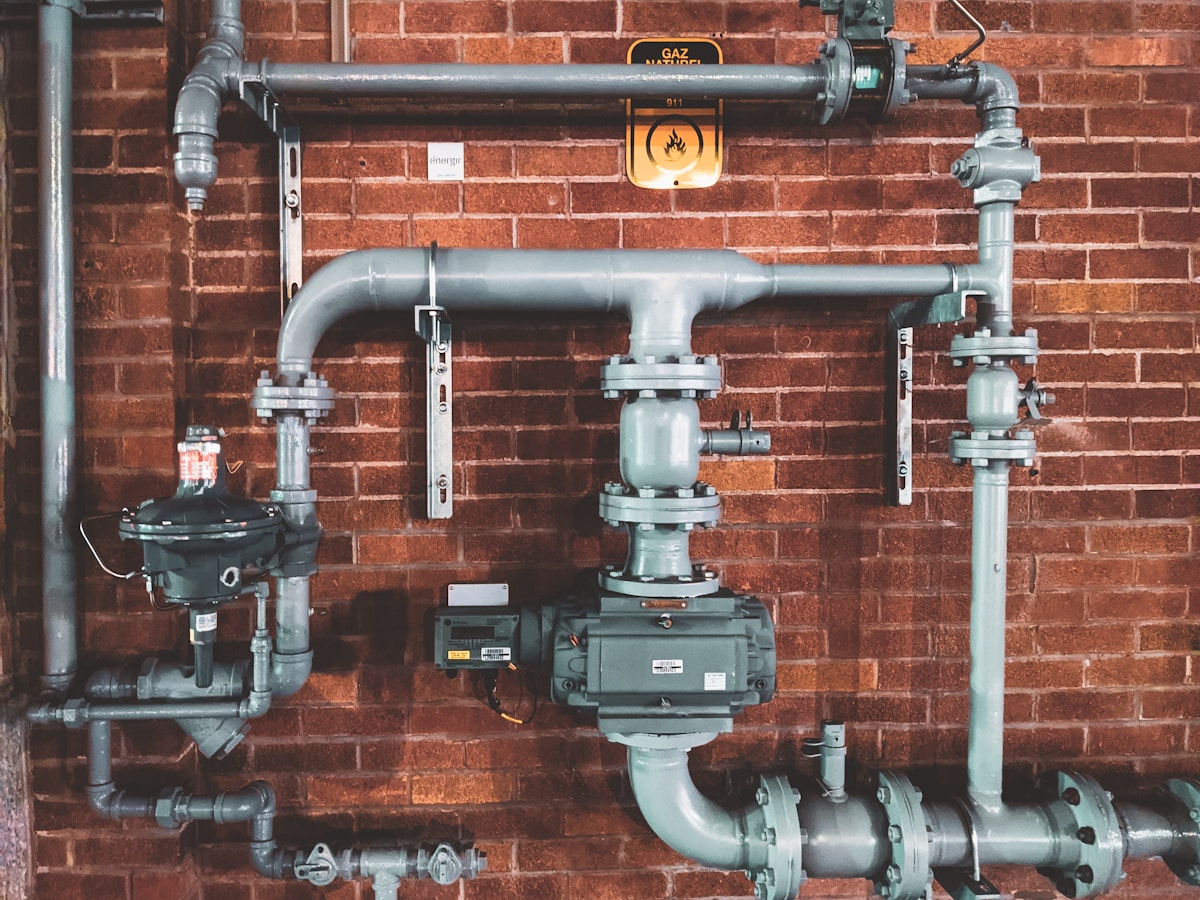
Does Home Insurance Cover Burst Pipes?
A pipe bursting inside your walls is one of the fastest ways a home can rack up serious damage, hundreds of gallons of water can escape in an hour, ruining floors, drywall, and belongings. The reassuring news is that homeowners insurance usually covers burst pipes. The catch is a single condition that decides a huge share of claims: whether you took reasonable steps to prevent the freeze in the first place. Turn the heat off in winter and a denied claim can follow. Understanding exactly where the line falls protects both your home and your payout.
This guide explains when homeowners insurance covers burst pipes, the crucial sudden-and-accidental standard, why the pipe itself isn’t covered, the heat-and-maintenance exclusions that get claims denied, and what to do the moment a pipe bursts.
Yes, When the Burst Is Sudden and Accidental
Standard homeowners insurance covers water damage from a burst pipe when the event is sudden and accidental, the same standard that governs water damage generally. If a pipe unexpectedly bursts (commonly from freezing in a cold snap, but also from water pressure or a sudden failure) and floods your home, your policy typically pays to repair the resulting damage to your structure and belongings, minus your deductible.
That coverage is broad in scope: it includes drying out and repairing floors, drywall, ceilings, and cabinets, and replacing damaged furniture, electronics, and other personal property. If the damage is severe enough that you can’t live in the home during repairs, your loss of use (additional living expenses) coverage can pay for temporary housing and related costs. The key qualifier is always that the burst was sudden and unforeseen, not the predictable result of a problem you let fester. Use our home insurance calculator to think through your coverage.
The Pipe Itself Isn’t Covered
Here’s a distinction that surprises many homeowners at claim time: your policy covers the water damage the burst pipe caused, but generally not the cost to repair or replace the pipe itself. The plumbing is considered a maintenance item, your responsibility, while the resulting damage to your home is the insurable loss.
So if a frozen pipe bursts and floods your kitchen, insurance pays to dry out and rebuild the kitchen and replace your ruined belongings, but you pay the plumber to fix the actual pipe. This mirrors the rule for appliances and other water sources: the policy fixes what the water wrecked, not the thing that failed. The same logic explains a related exclusion, exterior and underground water lines (like the main line running from the street to your house) usually aren’t covered by a standard policy, and protecting those requires a separate service-line endorsement. For the full picture of how water damage coverage works, see our guide on whether homeowners insurance covers water damage.
What’s Covered vs. What’s Not
The table below summarizes how burst-pipe claims typically break down.
| Situation | Coverage |
|---|---|
| Sudden burst flooding your home | Water damage covered, minus deductible |
| Damaged floors, walls, and belongings | Covered |
| Temporary housing during repairs | Covered under loss of use |
| Repairing the burst pipe itself | Not covered (maintenance) |
| Pipe frozen because heat was off | Often denied as negligence |
| Slow leak that preceded the burst | Excluded as gradual damage |
The dividing line is consistent: sudden, unpreventable events are covered, while preventable or gradual ones are not. That single principle, sudden versus gradual or negligent, decides the majority of burst-pipe disputes.
The Heat Exclusion That Gets Claims Denied
The most common reason a burst-pipe claim is denied is negligence around heating, specifically, leaving a home without adequate heat in winter. Insurers expect you to take reasonable steps to prevent freezing, and failing to do so can void your coverage for the resulting damage. Many policies require you to maintain a minimum indoor temperature (a figure around 55°F is commonly cited) at all times during cold weather, even when you’re away, or to shut off and drain the water supply if the home will be vacant.
This is where homeowners get caught. Turning the heat off (or setting the thermostat very low) to save money while traveling, then returning to burst pipes, is a classic denied claim, because the insurer views the freeze as preventable. If you leave for an extended period in winter, keep the heat on at a safe level, or shut off and drain the water, and ideally have a trusted person check the home periodically (some insurers require documented inspections for seasonal or vacant homes). Taking and documenting these precautions is the difference between a paid claim and an expensive denial.
Other Exclusions to Know
Beyond the heat rule, several other situations fall outside coverage, almost all tied to the gradual-versus-sudden distinction. A slow leak that dripped for weeks or months before a pipe finally failed is treated as gradual, preventable damage and excluded, the insurer expects you to notice and address warning signs like rust stains, slow drips, or visible corrosion. Old, corroded pipes that fail from age are similarly viewed as a maintenance issue, and certain materials known to be failure-prone (such as polybutylene pipes installed roughly between 1978 and 1995) can draw extra scrutiny or even affect your ability to get coverage.
Lack of winterization, ignoring a known plumbing problem, and damage in unheated, un-insulated spaces like crawl spaces can all lead to denial as well. The throughline is that insurers cover the unexpected, not the foreseeable. Keeping your plumbing maintained, addressing leaks promptly, insulating exposed pipes, and documenting that your home was properly heated all strengthen your position if you ever need to file. If a claim is wrongly denied, you can request the specific policy language behind the denial and, where warranted, dispute it with documentation.
Renters and the Landlord’s Role
If you rent, the responsibility splits in a way worth understanding. Your renters insurance covers your personal belongings damaged by a burst pipe, just as a homeowners policy covers an owner’s possessions, subject to your deductible and limits. Loss of use coverage on a renters policy can likewise help with temporary housing if the unit becomes uninhabitable.
What renters insurance does not cover is the building itself or the plumbing, those belong to the property owner’s policy. The landlord is responsible for repairing the pipe and the structural damage to the unit, while you handle your own contents through your renters policy. This division is why every renter should carry renters insurance: a burst pipe in the apartment above yours could ruin your belongings, and only your own policy will replace them. Notify your landlord and your insurer promptly when a burst pipe affects your unit.
What to Do When a Pipe Bursts
Fast, methodical action limits the damage and protects your claim. First, shut off your water supply immediately at the main valve to stop the flooding, knowing where that valve is before an emergency saves precious minutes. If the burst is near electrical wiring or outlets, shut off power to the affected area for safety. Then, if it’s safe, begin removing standing water to limit further damage, since you have a duty under your policy to mitigate.
Next, document everything thoroughly before cleanup: photograph and video the burst, the water, and all the damage to your home and belongings. Contact your insurer promptly to start the claim, and keep records and receipts for any emergency mitigation (water removal, drying equipment, emergency plumber), which are typically reimbursable. Be mindful of the 24 to 48 hour window before mold can set in, drying the area quickly both prevents mold and supports your claim, a point we cover in our guide on whether home insurance covers mold. Avoid permanent repairs until the adjuster inspects, but emergency steps to stop the damage are expected and protect you.
Frequently Asked Questions
Does homeowners insurance cover burst pipes?
Usually yes, for the water damage, when the burst is sudden and accidental. Your policy typically pays to repair damage to your home and belongings, minus your deductible, and may cover temporary housing. It does not cover repairing the pipe itself, or damage from negligence like leaving the heat off.
Does insurance cover the pipe itself?
No. Insurance covers the water damage a burst pipe causes to your home and belongings, but the plumbing is considered a maintenance item you’re responsible for. You pay the plumber to fix or replace the pipe, while your policy pays to repair what the water damaged.
Will my claim be denied if I turned off the heat?
Quite possibly. Leaving a home without adequate heat in winter is the most common reason frozen-pipe claims are denied. Many policies require maintaining a minimum temperature (around 55°F is commonly cited) or shutting off the water when away. Turning the heat off can be deemed negligence.
Does home insurance cover frozen pipes?
Yes, when a frozen pipe bursts suddenly and you took reasonable precautions to prevent freezing, like keeping the heat on and insulating exposed pipes. The resulting water damage is covered. If the freeze resulted from negligence, such as no heat in a vacant home, the claim may be denied.
What if a slow leak caused the pipe to burst?
That’s typically excluded. If a pipe leaked slowly for weeks or months before bursting, insurers treat it as gradual, preventable damage and deny the claim, since you’re expected to notice and fix warning signs like drips, stains, or corrosion. Only sudden, unforeseen bursts are covered.
Does insurance cover an outdoor or underground water line?
Generally not under a standard policy. The main water line from the street to your home, and other exterior or underground lines, usually aren’t covered. Protecting them requires a separate service-line endorsement, which many insurers offer at modest cost and is worth considering.
Does renters insurance cover burst pipes?
It covers your belongings damaged by a burst pipe, plus temporary housing if your unit becomes uninhabitable. It does not cover the building or the pipe, those are the landlord’s responsibility through their policy. Every renter should carry renters insurance for exactly this kind of event.
What should I do right after a pipe bursts?
Shut off your water at the main valve immediately, and cut power to the area if water is near wiring. Remove standing water if safe, document everything with photos and video, and contact your insurer promptly. Dry the area within 24 to 48 hours to prevent mold, and keep mitigation receipts.
The Bottom Line
Homeowners insurance covers burst pipes when the burst is sudden and accidental, paying to repair the water damage to your home and belongings and, if needed, your temporary housing, minus your deductible. What it doesn’t pay for is the pipe itself, which is treated as a maintenance item, or burst pipes that resulted from negligence or gradual problems you should have addressed.
The single most important factor is prevention, especially heat. Leaving a home without adequate heat in winter is the leading cause of denied frozen-pipe claims, so maintaining a safe indoor temperature (around 55°F is the commonly cited floor), insulating exposed pipes, shutting off water when away for long periods, and addressing leaks promptly are what keep your coverage intact. Gradual leaks, old corroded pipes, and exterior water lines fall outside standard coverage.
If a pipe does burst, act fast: shut off the water, document everything, mitigate the damage, mind the 24 to 48 hour mold window, and file promptly. Combined with good winter maintenance, that approach turns a burst pipe from a coverage gamble into a manageable, well-protected loss, and keeps a cold-weather emergency from becoming a financial one.
Want to be sure you’re protected before winter’s first freeze? Visit Matrix Insurance to review your options. Use our home insurance calculator to evaluate your coverage, or contact our team for personalized guidance on water damage and burst pipe protection.













Post Comment
You must be logged in to post a comment.