What Is Flood Insurance and How Does It Work?
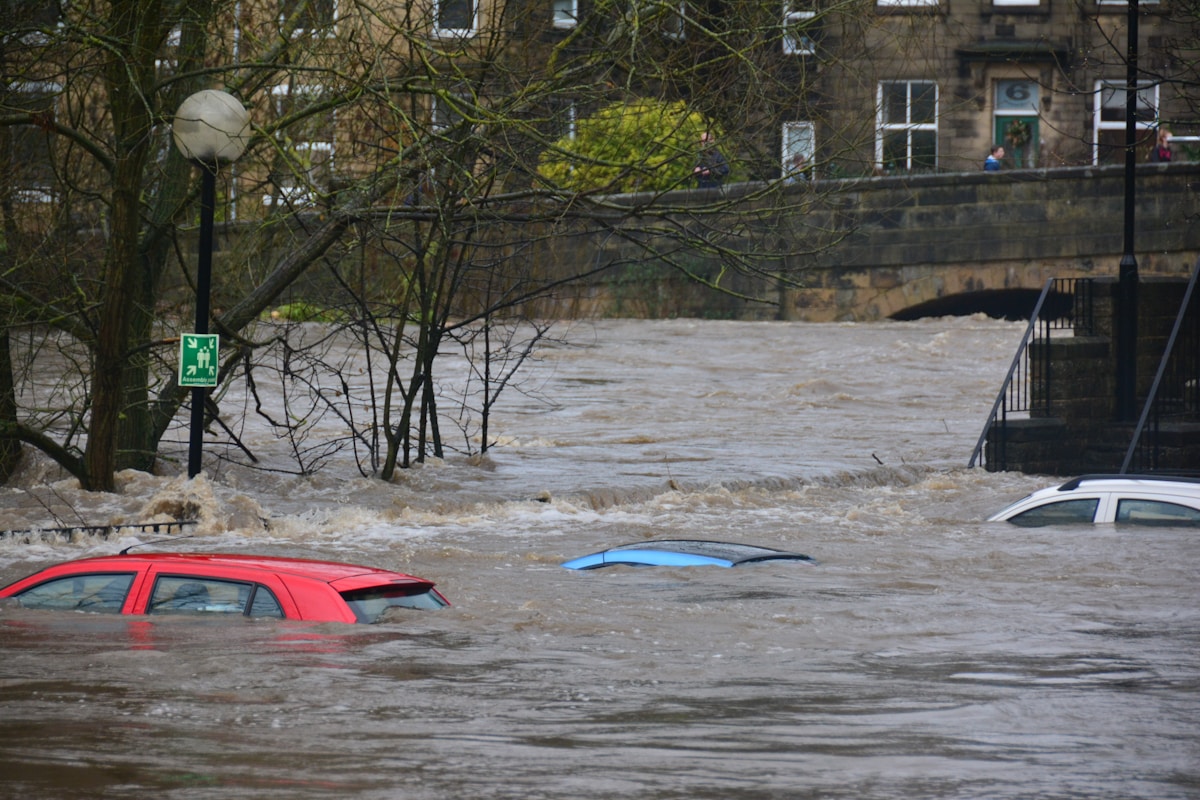
Most homeowners and renters assume their insurance covers flooding. It doesn’t. Standard home, condo, and renters policies specifically exclude flood damage, which means a single storm, overflowing river, or flash flood could leave you paying tens of thousands of dollars out of pocket with no insurance help at all. Flood insurance is a separate policy that fills this gap, and understanding how it works, and whether you need it, is one of the most overlooked parts of protecting your home.
This guide explains what flood insurance is, what it covers and excludes, the difference between the federal program and private options, how pricing and waiting periods work, and how to decide whether you need a policy. Whether you live near water or well outside any high-risk zone, understanding flood insurance helps you avoid a costly and common coverage gap.
What Flood Insurance Is
Flood insurance is a separate policy that covers damage to your home and belongings caused by flooding, defined as water that inundates normally dry land, whether from heavy rain, storm surge, overflowing rivers and lakes, rapid snowmelt, or failed drainage systems. Because standard property insurance excludes this risk, flood insurance exists as its own distinct coverage.
Most flood policies in the United States come from one of two sources: the National Flood Insurance Program (NFIP), a federal program managed by FEMA, or private flood insurers. Both protect against the same basic peril, but they differ in coverage limits, pricing, and features. The key thing to understand is that flooding is treated as a catastrophic risk, one that can affect entire neighborhoods at once, which is exactly why it requires its own dedicated policy rather than being bundled into a standard homeowners policy.
Why Your Home or Renters Insurance Doesn’t Cover Floods
This is the single most important fact about flood insurance: standard homeowners, condo, and renters policies explicitly exclude flood damage. Many property owners only discover this after a flood, when they file a claim and learn their policy won’t pay.
The reasoning comes down to how insurers assess risk. Most covered perils, like a kitchen fire or a burst pipe, affect one home at a time, making them predictable to price and spread across many policyholders. Floods are different: they tend to strike entire regions simultaneously, producing enormous, correlated losses that are difficult to predict and expensive to cover. Insurers classify flooding as a catastrophic risk requiring a separate policy. Note the distinction between a flood (rising external water) and other water damage: a burst pipe or an overflowing bathtub is typically covered by your homeowners policy, while water that enters from outside, rising groundwater, storm surge, or an overflowing river, is a flood and is not.
What Flood Insurance Covers
A flood policy generally offers two types of coverage, often purchased together for the broadest protection. The table below summarizes what each typically protects under the federal program.
| Coverage Type | What It Protects | NFIP Residential Limit |
|---|---|---|
| Building coverage | The structure and its systems | Up to $250,000 |
| Contents coverage | Your personal belongings | Up to $100,000 |
Building coverage protects the physical structure: the foundation, walls, electrical and plumbing systems, HVAC equipment like furnaces, water heaters, and central air, built-in appliances such as your dishwasher, and permanently installed carpeting, paneling, and cabinets. A detached garage is typically covered up to 10 percent of your building limit. Contents coverage protects your personal belongings, furniture, clothing, electronics, washers and dryers, and portable appliances, and is usually purchased separately. Note that under the NFIP, contents are always paid at actual cash value (depreciated value), not replacement cost. Use our home insurance calculator to think through your overall coverage needs.
What Flood Insurance Doesn’t Cover
Understanding the exclusions matters as much as the coverage. Standard flood policies, including NFIP policies, leave several things out that surprise many homeowners. The most significant gap is that NFIP policies don’t cover temporary living expenses or loss of use, so if flooding makes your home uninhabitable, the federal policy won’t pay for a hotel or temporary housing (some private policies do cover this).
Other common exclusions include property outside the building (landscaping, decks, patios, fences, and swimming pools), currency, precious metals, and valuable papers, and damage from earth movement even when flooding causes it. Basement coverage is notably limited: only essential building systems like the furnace, water heater, sump pump, and electrical components are covered, while finished-basement improvements, furniture, electronics, and personal keepsakes stored there are not. Mold or mildew damage that the owner could reasonably have prevented is also excluded. Knowing these gaps helps you decide whether to supplement an NFIP policy with private coverage.
NFIP vs. Private Flood Insurance
You generally have two paths to flood coverage, and they serve different needs. The table below compares the federal program with private flood insurance.
| Feature | NFIP (Federal) | Private Flood |
|---|---|---|
| Building limit | Up to $250,000 | Often much higher (millions available) |
| Contents limit | Up to $100,000 | Often higher |
| Waiting period | Typically 30 days | Often shorter (around 15 days) |
| Loss of use / living expenses | Not covered | Sometimes included |
| Availability | Widely available | Varies by carrier and property |
The NFIP offers standardized, federally backed policies available in participating communities, with the same coverage terms regardless of which insurer issues them. Private flood insurance can offer higher limits, shorter waiting periods, and extra features the NFIP lacks, like loss-of-use coverage and sometimes coverage for finished basements. Private policies often cost less for newer, elevated homes in lower-risk areas, while the NFIP can be the safer choice for high-risk properties, since private carriers may non-renew after claims. The right choice depends on your property’s risk profile, value, and your need for features beyond the federal limits.
How Flood Insurance Pricing Works
For NFIP policies, FEMA now prices coverage using a system called Risk Rating 2.0, which assesses each property individually rather than relying on broad flood-zone maps alone. Your premium reflects factors like your home’s elevation, distance to water, the frequency and type of flooding in your area, and the cost to rebuild. Under this system, some homeowners have seen premiums fall while others have seen increases.
Importantly, NFIP premium increases are capped at 18 percent per year (a “glide path”) until a property reaches its full risk-based rate, which protects existing policyholders from sudden spikes. One useful and lesser-known feature: NFIP policies are assumable, meaning a home buyer can take over the seller’s existing policy and inherit its rate and increase cap, which can save substantial money if the seller has an older, lower rate. Private flood premiums vary by carrier and can be lower than the NFIP for favorable-risk homes, though they may rise or change at renewal. Always compare both options for your specific property.
The Waiting Period: Why You Can’t Wait for a Storm
One of the most important practical facts about flood insurance is the waiting period. An NFIP policy typically takes effect 30 days after you purchase it, which means you cannot buy a policy when a storm is in the forecast and expect it to cover that storm. This waiting period exists specifically to prevent people from buying coverage only when flooding is imminent.
There are exceptions: the waiting period is generally waived when you buy flood insurance in connection with a new mortgage closing. Private flood policies often have shorter waiting periods, sometimes around 15 days. The takeaway is simple but critical: flood insurance must be purchased well before you need it. Planning ahead and securing coverage during calm weather ensures you’re protected when flooding actually occurs, rather than scrambling too late.
Do You Need Flood Insurance?
If you have a mortgage on a home in a FEMA-designated high-risk flood zone (often called a Special Flood Hazard Area), your lender will require flood insurance. But the bigger point is that flooding isn’t limited to high-risk zones. A significant share of flood claims come from properties outside high-risk areas, where coverage is optional and often more affordable.
Consider flood insurance seriously if you live near a coast, river, lake, or low-lying area, if your region experiences heavy rain or hurricanes, if your area has aging drainage infrastructure, or simply if you couldn’t comfortably absorb a five-figure flood loss out of pocket. Because just a few inches of water can cause tens of thousands of dollars in damage, and because flooding is the most common natural disaster in the United States, even moderate-risk homeowners often find the relatively modest premium worthwhile. Checking your property’s flood risk on FEMA’s Flood Map Service Center is a good first step.
Frequently Asked Questions
Does homeowners insurance cover flood damage?
No. Standard homeowners, condo, and renters insurance policies specifically exclude flood damage from external rising water. You need a separate flood insurance policy, from either the NFIP or a private insurer, to be protected against flooding.
What’s the difference between a flood and other water damage?
A flood is water that inundates normally dry land from outside, such as storm surge, an overflowing river, or heavy rain pooling on the ground. Internal water damage, like a burst pipe or overflowing appliance, is typically covered by homeowners insurance, while external flooding is not.
How much does flood insurance cover?
NFIP residential policies cover up to $250,000 for the building and up to $100,000 for contents. Private flood insurers often offer much higher limits, sometimes into the millions, which is useful for homes valued above the federal building limit.
Why is there a waiting period for flood insurance?
The waiting period, typically 30 days for NFIP policies, prevents people from buying coverage only when a flood is imminent. It’s generally waived when you buy flood insurance as part of a new mortgage closing. Private policies often have shorter waiting periods, around 15 days.
Do I need flood insurance if I’m not in a high-risk zone?
You may not be required to, but it’s often worth it. A significant share of flood claims come from outside high-risk zones, where premiums are usually lower. Since just a few inches of water can cause major damage, many moderate-risk homeowners find the coverage worthwhile.
What does flood insurance not cover?
NFIP policies don’t cover temporary living expenses, landscaping, decks, fences, pools, currency or valuables, or finished-basement improvements and personal property stored in basements. Earth movement and preventable mold are also excluded. Some private policies fill certain gaps, like loss of use.
Is NFIP or private flood insurance better?
It depends on your property. Private flood insurance can offer higher limits, shorter waiting periods, and extra features like loss-of-use coverage, often at lower cost for newer, elevated homes. The NFIP can be safer for high-risk properties. Comparing both for your specific home is wise.
Can I get flood insurance if I rent?
Yes. Renters can buy contents-only flood coverage to protect their belongings, since their landlord’s policy won’t cover a tenant’s possessions. The NFIP offers contents coverage for renters, and private options exist too. It’s an affordable way to protect against a common risk.
The Bottom Line
Flood insurance is the coverage most homeowners and renters don’t realize they’re missing until it’s too late. Because standard home, condo, and renters policies exclude flood damage, a separate flood policy is the only way to protect your home and belongings against rising water, one of the most common and costly natural disasters in the country.
You can get coverage through the federal NFIP, with standardized limits of $250,000 for the building and $100,000 for contents, or through private insurers offering higher limits and extra features like loss-of-use coverage. Understanding what’s covered (the structure, systems, and belongings) and what’s not (temporary living expenses, landscaping, finished basements, and more) helps you choose the right policy and supplement it where needed.
Two practical rules matter most: flooding happens far beyond high-risk zones, so even moderate-risk homeowners should consider coverage, and the waiting period means you must buy well before a storm threatens. Checking your flood risk and securing coverage during calm weather is the smart, proactive move. Understanding flood insurance helps you close a gap that could otherwise cost you everything.
Ready to make sure your home is properly protected? Visit Matrix Insurance to explore your coverage options. Use our home insurance calculator to evaluate your needs, or contact our team for personalized guidance on flood insurance.














3 comments