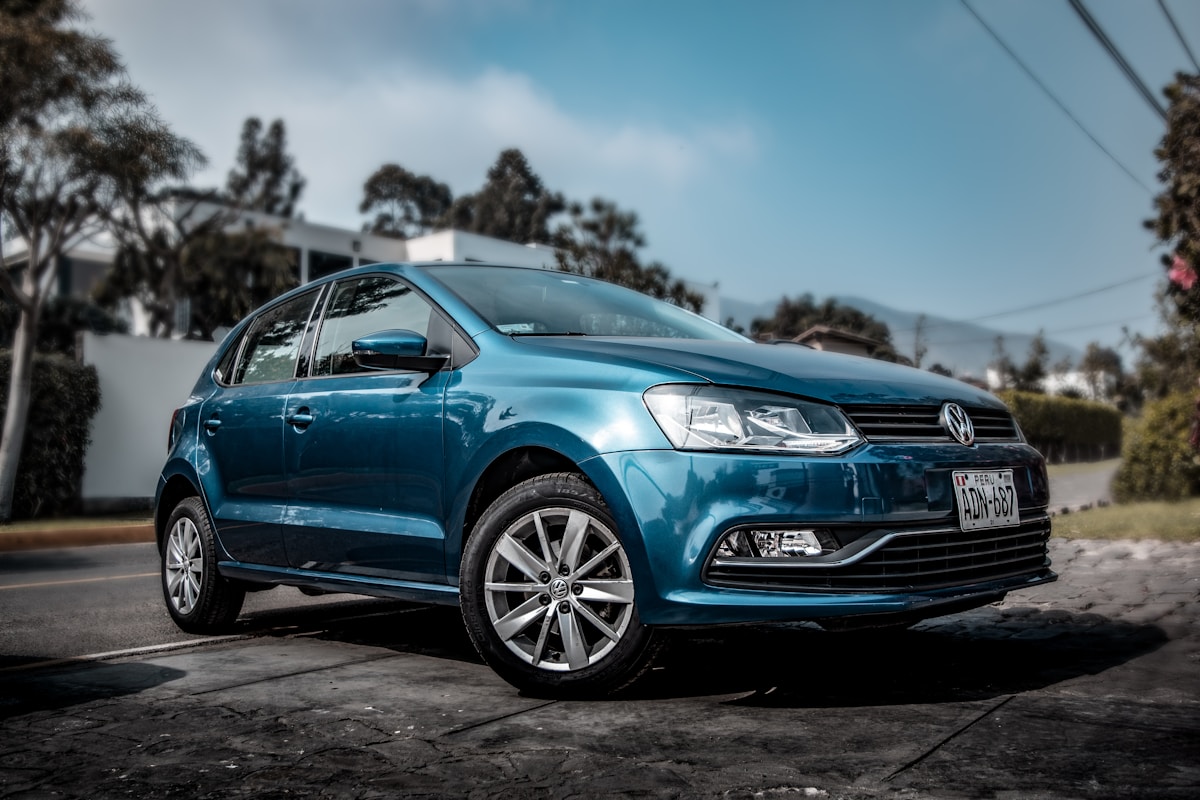
State Farm Drive Safe and Save: Is It Worth It? Full Review
Drive Safe and Save is State Farm’s usage-based insurance program that promises premium discounts for safe driving. The marketing claims discounts of up to 30%, which sounds attractive, but the actual savings depend heavily on how you actually drive. For some customers it produces meaningful ongoing savings; for others it produces little benefit or even backfires.
This guide explains exactly how Drive Safe and Save works, what behaviors it tracks, what discounts you can realistically expect, and whether it makes sense for your situation.
What Is Drive Safe and Save?
Drive Safe and Save is State Farm’s telematics-based auto insurance program. Telematics means the insurer collects data about your actual driving behavior and uses it to adjust your premium. Unlike traditional insurance pricing that uses static factors like age, location, and driving record, telematics programs measure how you actually drive in real time.
The program is voluntary. Existing State Farm customers can enroll at any time, and the discount is applied at policy renewal based on the data collected during the prior period. New customers can enroll when starting a policy.
How Drive Safe and Save Works
Two Versions Available
State Farm offers two versions of Drive Safe and Save depending on your situation.
Mobile App Version: Most users participate through the State Farm mobile app, which uses your phone’s sensors to track driving behavior. This is the most common version because it requires no additional hardware.
Bluetooth Beacon Version: Some users receive a small Bluetooth beacon that mounts in the vehicle and pairs with the mobile app. This provides more accurate tracking and can distinguish between when you are driving versus a passenger in someone else’s vehicle.
Initial Enrollment Discount
Simply enrolling in the program produces an initial discount, often around 5%, regardless of how you actually drive. This serves as an incentive to participate and is applied to your first policy term after enrollment.
Behavior-Based Discount Calculation
After your initial period (typically 6 months), State Farm calculates your ongoing discount based on actual driving behavior. The discount is recalculated at each policy renewal based on the most recent driving data.
Maximum Discount
The advertised maximum is 30%, though achieving the full 30% requires consistently safe driving across all measured behaviors. Most participants receive discounts in the 10% to 20% range.
What Drive Safe and Save Tracks
Hard Braking
Sudden, hard braking events are recorded as negative behaviors. These suggest aggressive driving or distracted driving that did not allow for normal slowing distances. Frequent hard braking reduces your discount.
Hard Acceleration
Quick, aggressive acceleration is similarly recorded as a negative behavior. Rapid acceleration suggests aggressive driving and increases accident risk statistically.
Speeding
Driving significantly above posted speed limits is tracked. The exact threshold for what counts as speeding may vary by program version and location.
Time of Day Driving
Driving during high-risk hours (typically late night and early morning) is tracked because these times have statistically higher accident rates. Frequent late-night driving can reduce your discount even with otherwise safe behavior.
Distracted Driving
The mobile app version detects when you handle your phone while driving. Phone interaction during trips is recorded as distracted driving and reduces your discount.
Total Mileage
How much you drive affects your discount. Lower-mileage drivers typically receive better rates because driving less means less exposure to accidents.
Trip Frequency
How often you drive is tracked. The patterns of your driving (commuting, errands, long trips) factor into your overall risk assessment.
How Much Can You Realistically Save?
| Driving Profile | Typical Discount | Annual Savings on $1,500 Premium |
|---|---|---|
| Excellent driver, low mileage, no late-night driving | 20% to 30% | $300 to $450 |
| Good driver, moderate mileage | 10% to 20% | $150 to $300 |
| Average driver, normal commute | 5% to 12% | $75 to $180 |
| Aggressive or distracted driver | 0% to 5% | $0 to $75 |
| Very aggressive driver, frequent late-night driving | Possible rate increase | Negative |
Who Benefits Most From Drive Safe and Save?
Safe Drivers Already
If you already drive safely with smooth braking, gradual acceleration, and minimal phone use, the program rewards behavior you would do anyway. The discount is essentially free money for habits you already maintain.
Lower-Mileage Drivers
Driving less is one of the strongest positive factors in the program. Retirees, work-from-home professionals, and people with short commutes often see the largest discounts.
Daytime Drivers
People who drive primarily during daytime hours and rarely drive late at night benefit from the time-of-day rating component.
Drivers Who Avoid Phone Use
Strict avoidance of phone handling while driving produces the maximum distracted driving score. This is genuinely safer and benefits both your insurance discount and your actual safety.
Who Should Skip Drive Safe and Save?
Aggressive Drivers
If you drive aggressively, brake hard frequently, or accelerate quickly, the program may produce minimal discount or even a rate increase at renewal. Honest assessment of your driving is important before enrolling.
Frequent Late-Night Drivers
If your work or lifestyle requires regular late-night or early-morning driving, the time-of-day factor may significantly reduce your discount even with otherwise safe driving.
People Who Use Their Phone While Driving
Frequent phone handling while driving will be detected and reduce your discount. If you cannot or will not change this behavior, the program may not produce meaningful savings.
Privacy-Conscious Drivers
Some drivers are uncomfortable with continuous tracking of their driving behavior and location. The program does collect detailed data about your driving, and this is something to consider before enrolling.
Privacy Considerations
Drive Safe and Save collects significant amounts of data about your driving behavior. This includes location data, speed data, time-of-day patterns, and behavioral measurements. State Farm’s privacy policy outlines how this data is used and stored.
The data is primarily used for insurance pricing rather than other purposes. State Farm has stated that data is not shared with third parties for marketing purposes. However, the underlying reality is that you are sharing detailed information about your daily activities in exchange for a potential discount.
For some drivers, the privacy trade-off is acceptable for the discount benefit. For others, the privacy concern outweighs potential savings. This is a personal decision that varies by individual.
How to Maximize Your Drive Safe and Save Discount
Brake Earlier and Smoother
Anticipate stops and brake gradually rather than waiting until the last moment. This is safer and produces better scores.
Accelerate Gradually
Gentle acceleration from stops scores better than rapid acceleration. This also improves fuel economy and reduces wear on your vehicle.
Maintain Speed Limits
Speeding is one of the most heavily weighted factors. Staying within reasonable margins of posted limits significantly improves your score.
Mount Your Phone
Use a dashboard or vent mount for your phone rather than holding it. This eliminates phone handling that the program would otherwise detect.
Use Hands-Free Calling
If you must take calls while driving, use Bluetooth or hands-free systems rather than handling the phone.
Avoid Late-Night Driving When Possible
Schedule trips during daytime hours when possible. The time-of-day factor can affect even otherwise safe drivers.
Limit Total Driving
The less you drive, the better your score tends to be. Combining errands, carpooling, and using alternative transportation when feasible can improve your discount.
Drive Safe and Save vs. Other Telematics Programs
| Program | Insurer | Maximum Advertised Discount | Tracking Method |
|---|---|---|---|
| Drive Safe and Save | State Farm | 30% | Mobile app or beacon |
| Snapshot | Progressive | 30% | Mobile app or device |
| RightTrack | Liberty Mutual | 30% | Mobile app or device |
| Drivewise | Allstate | 40% | Mobile app |
| SmartRide | Nationwide | 40% | Mobile app or device |
| DriveEasy | GEICO | 25% | Mobile app |
State Farm’s program is competitive with other major insurers. The actual discount you receive depends primarily on your driving behavior rather than the specific program.
Frequently Asked Questions
Can my Drive Safe and Save rate go up if I drive poorly?
State Farm has stated that participation in Drive Safe and Save will not increase your rate above what you would otherwise pay. The worst-case outcome is no discount or minimal discount, but the program will not produce a rate increase compared to non-participation. This is different from some competitor programs that can result in surcharges.
How long does it take to see my discount?
An initial discount is typically applied immediately after enrollment. The behavior-based discount is calculated and applied at your next policy renewal, typically 6 months after enrollment. Subsequent renewals adjust the discount based on continued driving data.
Does Drive Safe and Save track me when I’m a passenger?
The mobile app version may sometimes incorrectly track passenger trips as driving. The Bluetooth beacon version is more accurate at distinguishing driving from passenger time. You can also manually mark trips as passenger trips in the app to prevent incorrect attribution.
What happens if I have multiple drivers on my policy?
Each driver typically participates separately through their own phone or beacon. The program tracks each driver’s behavior independently. This means a safe driver in your household can earn the discount even if other household members do not participate or do not drive safely.
Can I cancel Drive Safe and Save?
Yes, you can withdraw from the program at any time. If you withdraw mid-policy, your premium for the remainder of the term may revert to standard pricing without the discount. Speak with your agent about specific implications of withdrawing.
Does Drive Safe and Save drain my phone battery?
The app uses GPS and motion sensors that do consume some battery. Most users report that the impact is modest with normal phone use. Keeping your phone plugged in during driving (which is recommended for navigation anyway) eliminates the concern.
Is the data shared with anyone else?
State Farm has stated that Drive Safe and Save data is used for insurance pricing and is not shared with third parties for marketing or other purposes. Read the current privacy policy for the most up-to-date information about data handling.
The Bottom Line
Drive Safe and Save can produce meaningful savings for safe drivers, particularly those who drive lower mileage during normal hours and avoid distracted driving. The maximum 30% discount is achievable for the safest drivers, with most participants seeing 10% to 20% savings.
For aggressive drivers, frequent late-night drivers, or those who use their phones while driving, the program may produce minimal benefit. The good news is that you cannot be penalized beyond not receiving the discount, so trying it for one policy term reveals what you would actually save.
Honest self-assessment of your driving is the best predictor of whether the program will benefit you. If you genuinely drive safely, the discount is essentially free money for habits you already maintain.
For more on the broader landscape of car insurance pricing factors, our guide on what factors affect your car insurance premium walks through the rating factors used across the industry. The team at Matrix Insurance can help you compare State Farm with other carriers including telematics programs to find the best combination of pricing and coverage. Use our Car Insurance Calculator for a starting estimate, or reach out to our team directly for a personalized comparison.






Post Comment
You must be logged in to post a comment.