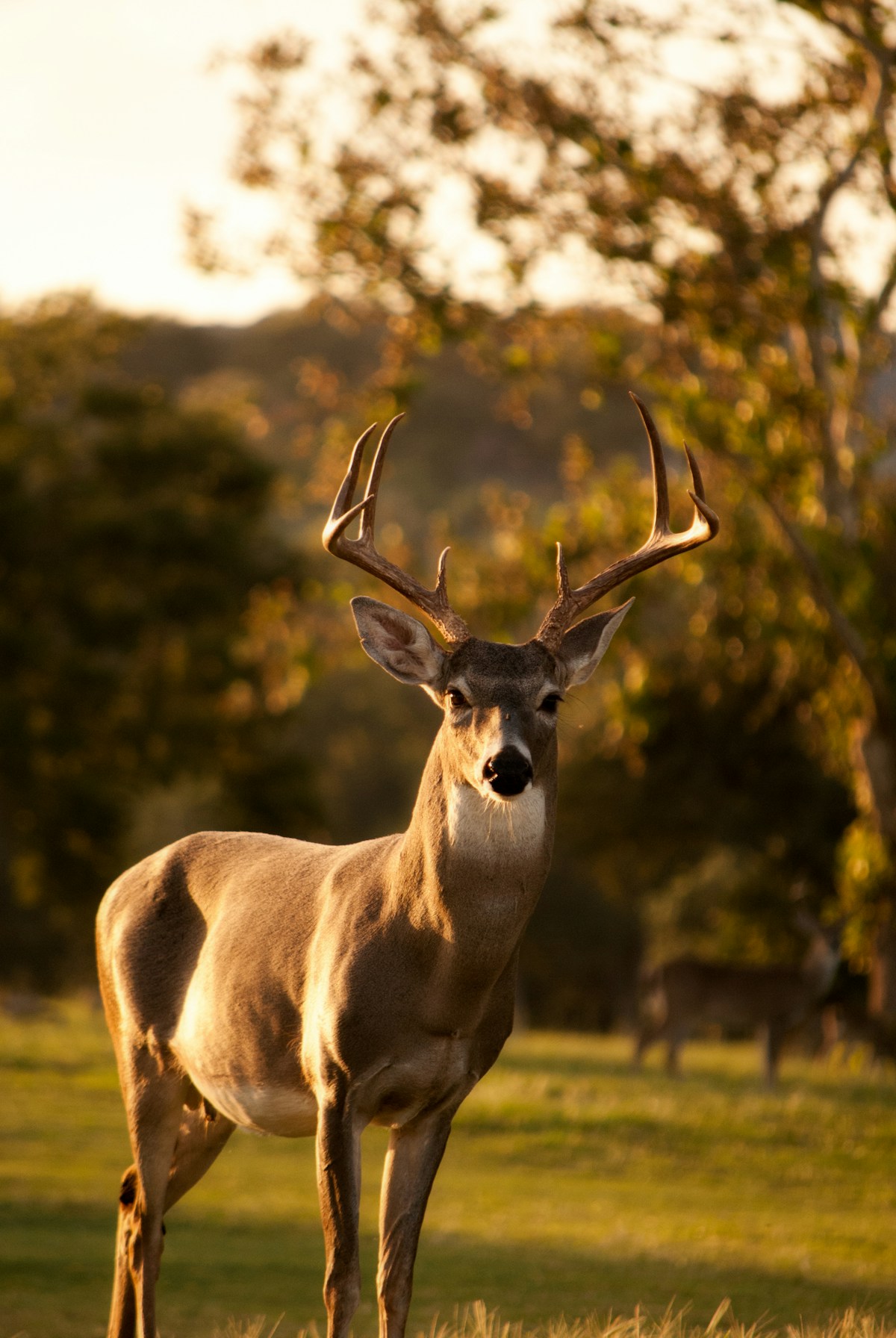
Does Car Insurance Cover Hitting a Deer?
A deer darting into the road is one of the most common and startling hazards drivers face, with well over a million large-animal collisions on U.S. roads every year. In the chaotic moments afterward, once everyone’s safe, the question quickly becomes: will my insurance pay for this? The answer surprises many drivers, because hitting a deer isn’t covered by the part of your policy you’d expect. Understanding which coverage applies, and the one critical exception, can mean the difference between a covered claim and an expensive out-of-pocket repair.
This guide explains exactly how car insurance handles hitting a deer, why comprehensive (not collision) is the coverage that pays, the swerve exception that flips the rules, what happens to your premium, and the steps to take right after a deer collision.
The Surprising Answer: Comprehensive, Not Collision
Despite the name, collision coverage does not pay for hitting a deer. Animal strikes are covered by comprehensive coverage, the part of your policy designed for non-collision events. If you don’t carry comprehensive, hitting a deer generally isn’t covered at all, and liability coverage (which pays for damage you cause to others) never applies to your own vehicle.
The logic, once you see it, makes sense. Insurers classify a deer collision as an unpredictable, not-at-fault event beyond your control, the same category as theft, vandalism, fire, falling objects, and weather damage, all of which comprehensive covers. Collision coverage, by contrast, is reserved for crashes with other vehicles or objects like fences, curbs, and trees. So the animal you actively hit is treated as a comprehensive loss, not a collision. Use our car insurance calculator to think through your coverage.
The Critical Swerve Exception
Here’s the twist that catches drivers off guard: whether your claim is comprehensive or collision can depend on whether you actually hit the deer. The table below shows how it breaks down.
| What Happened | Which Coverage Applies |
|---|---|
| You hit the deer directly | Comprehensive |
| You swerve, miss the deer, and hit another car | Collision |
| You swerve, miss the deer, and hit a tree or object | Collision |
| You swerve and overturn your car | Collision |
If you swerve to avoid the deer and instead strike another vehicle, a tree, a guardrail, or roll your car, that’s a collision claim, because you collided with an object rather than the animal. This matters for two reasons. First, collision claims are more likely to be treated as at-fault, which can raise your premium more than a comprehensive claim would. Second, safety experts generally advise against swerving for a deer precisely because the swerve often causes a worse crash than the deer would have. Counterintuitive as it sounds, braking firmly and hitting the deer is frequently the safer (and better-covered) outcome than swerving into oncoming traffic or a fixed object.
What Comprehensive Actually Pays
When you hit a deer and have comprehensive coverage, the policy pays to repair your vehicle, minus your deductible. If the damage is severe enough to total the car, comprehensive pays the vehicle’s actual cash value (its depreciated market value at the time of the loss), again minus your deductible. The deductible is the amount you chose when setting up the policy and pay out of pocket before coverage kicks in.
One important limit: comprehensive (like collision) only covers your vehicle. It does not pay for injuries to you or your passengers. If anyone is hurt in a deer collision, medical costs fall under your medical payments (MedPay) or personal injury protection (PIP) coverage, if you carry either, or under your health insurance. So a complete picture of deer-collision protection often involves comprehensive for the car plus MedPay or PIP for injuries. Because comprehensive is technically optional, drivers with only liability or liability-plus-collision coverage should understand they’re exposed to animal-strike damage entirely out of pocket.
Will Hitting a Deer Raise Your Rates?
This is one of the better pieces of news about deer collisions. Because insurers treat hitting a deer as a not-at-fault comprehensive claim, it generally affects your premium far less than an at-fault collision would, and in many cases a single deer claim has little to no effect on your rate at renewal. Comprehensive claims are weighed very differently from at-fault accidents, which is exactly why they sit in a separate category.
That said, “generally” isn’t “never.” The impact can depend on your state, your insurer’s rules, your claims history, and the size of the payout, multiple comprehensive claims in a short period can still draw attention, and living in a high-deer-collision area can affect baseline rates regionally. Still, a comprehensive claim’s gentle treatment is part of why deer collisions are far less financially punishing than the at-fault crashes covered in our guide on how long an accident stays on your record. For the full comprehensive-versus-collision breakdown, see our guide on comprehensive vs. collision insurance.
What to Do Right After Hitting a Deer
The minutes after a deer collision matter for both safety and your claim. First, get to safety: pull your vehicle off the road, turn on your hazard lights, and stay inside until you’re sure it’s safe to exit, since an injured deer can be dangerous and traffic may be a hazard. Don’t approach the animal. Check yourself and any passengers for injuries and call 911 if anyone is hurt.
Next, contact the police or animal control, in many states you’re required to report a deer collision if there’s significant damage or the animal is blocking the road, and a police report strengthens your claim. Then document everything: photograph the damage to your car, the scene, and the surroundings, and note the time and location. Avoid touching or moving the deer yourself. Finally, contact your insurer to start a comprehensive claim, providing the police report number and your photos. One practical note before you file: if the damage is minor and close to your deductible, weigh the repair cost against the deductible, for small dents it may not be worth filing at all.
Hitting a Domestic Animal vs. Wildlife
The rules shift slightly when the animal isn’t wild. Hitting wildlife like a deer is nobody’s fault, so comprehensive simply covers your car and no other party is involved. But hitting a domestic animal, a dog, or livestock like a cow that wandered onto the road, can introduce a liability question. Your own comprehensive coverage still pays for your vehicle’s damage the same way.
The difference is that the animal’s owner may bear responsibility if they were negligent, for example, if a dog was off-leash or livestock escaped through a poorly maintained fence. In those cases, your insurer may pursue the owner’s homeowners or farm insurance to recover the repair costs (a process called subrogation), which can mean you ultimately recover your deductible. You generally aren’t liable for the animal unless you were driving recklessly. Either way, the immediate step is the same: file a comprehensive claim on your own policy for your vehicle’s damage, and let your insurer sort out any recovery from the owner.
Frequently Asked Questions
Does car insurance cover hitting a deer?
Yes, if you carry comprehensive coverage. Comprehensive (not collision) pays for animal strikes like hitting a deer, minus your deductible. Liability and collision-only policies don’t cover it, so without comprehensive, the damage comes out of your pocket.
Is hitting a deer comprehensive or collision?
Comprehensive. Insurers classify animal strikes as unpredictable, not-at-fault events, the same category as theft and weather damage. Collision coverage is only for crashes with other vehicles or objects. The one exception: if you swerve, miss the deer, and hit something else, that’s collision.
What if I swerve to avoid a deer and crash?
That flips it to a collision claim. If you swerve, miss the deer, and hit another car, a tree, or overturn, you’ve collided with an object, so collision coverage applies, often treated as at-fault. Safety experts generally advise braking rather than swerving, since swerving often causes a worse crash.
Will hitting a deer raise my insurance rates?
Usually little or not at all. Because it’s a not-at-fault comprehensive claim, it’s weighed far more gently than an at-fault collision, and a single deer claim often has minimal effect. Impact can vary by state, insurer, claims history, and payout size, but it’s far less punishing than an at-fault accident.
Does comprehensive cover my injuries from hitting a deer?
No. Comprehensive only covers your vehicle. Injuries to you or your passengers fall under medical payments (MedPay) or personal injury protection (PIP) if you carry either, or under your health insurance. A full picture of deer-collision protection includes comprehensive for the car plus MedPay or PIP for injuries.
What should I do right after hitting a deer?
Pull off the road, turn on hazards, and stay inside until it’s safe. Check for injuries and call 911 if needed. Contact police or animal control (many states require a report), document the damage with photos, avoid the animal, and contact your insurer to file a comprehensive claim.
Do I need a police report if I hit a deer?
In many states, yes, especially if there’s significant damage or the deer is blocking the road. Requirements vary by state, so check your local laws. Even when not required, a police report documents the incident and strengthens your insurance claim.
Should I file a claim for minor deer damage?
Not always. If the repair cost is minor and close to your deductible, you’d pay most of it out of pocket anyway, so filing may not be worth it. For substantial damage well above your deductible, filing clearly makes sense. Compare the repair estimate to your deductible first.
The Bottom Line
Hitting a deer is covered by comprehensive insurance, not collision, the counterintuitive fact that catches most drivers off guard. Comprehensive treats animal strikes as unpredictable, not-at-fault events and pays to repair your car (or its actual cash value if totaled) minus your deductible. Without comprehensive coverage, though, you’re on your own, since liability and collision don’t apply to hitting an animal.
The crucial exception is the swerve: if you swerve to miss the deer and instead hit another car, a tree, or roll your vehicle, that becomes a collision claim, often at-fault and harder on your premium. It’s why safety experts and insurers alike suggest braking firmly rather than swerving when a deer appears, the direct hit is usually both safer and better covered.
The good news is that a deer claim, as a not-at-fault comprehensive loss, typically does little to your rates, far gentler than an at-fault accident. Carry comprehensive coverage if you drive anywhere deer roam, pair it with MedPay or PIP for injury protection, and know the after-collision steps: get safe, call the authorities, document everything, and file your comprehensive claim. Handled right, a deer collision becomes a manageable claim rather than a financial shock.
Want to be sure you’re covered for whatever crosses the road? Visit Matrix Insurance to review your options. Use our car insurance calculator to evaluate your coverage, or contact our team for personalized guidance on comprehensive coverage.






Post Comment
You must be logged in to post a comment.